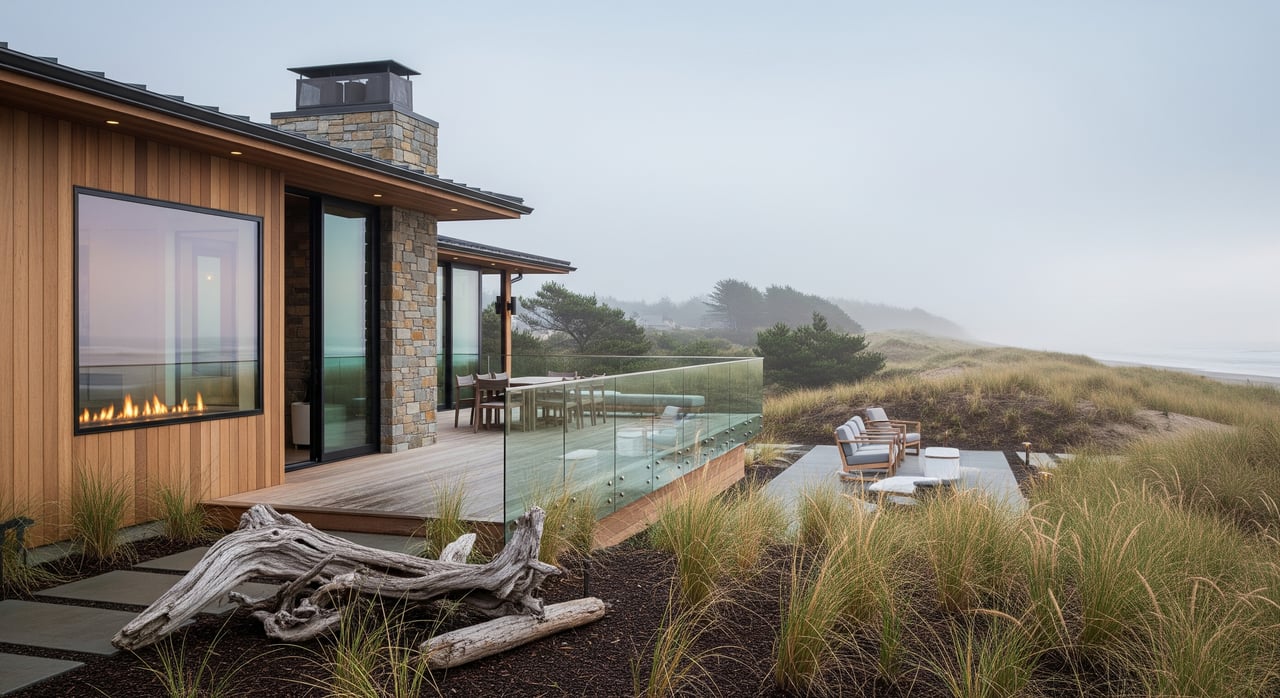
Thinking about a place on the Oregon Coast where you can unplug, host friends, and maybe rent a few weeks in summer to offset costs? Florence delivers beaches, dunes, river access, and a laid‑back Old Town that make second homes appealing. You also face unique costs and rules that are different from buying inland. In this guide, you’ll learn the real expenses, key regulations, financing and tax basics, and the tradeoffs to consider before you buy. Let’s dive in.
Why Florence works for second homes
Florence sits on the Siuslaw River with quick access to the Oregon Dunes, beaches, fishing, and lighthouses. Demand for vacation time here peaks in summer with weekend bursts in shoulder seasons. That seasonality, plus limited buildable coastal land and coastal zoning rules, shapes pricing and availability.
Many coastal towns see a higher share of non‑primary residences than inland markets. In Florence, that can mean more competition in peak months and slower off‑season activity. If you love the coast lifestyle and want easy access to sand, trails, and the river, the lifestyle payoff can be strong.
One‑time costs to plan
Purchase and closing
Second‑home financing differs from loans on your primary residence and from investment loans. Expect lender requirements tailored to vacation properties. Closing costs typically range from about 2 to 5 percent of the purchase price and include title, escrow, lender fees, and other charges.
Coastal due diligence is essential. Budget for a full home inspection with attention to roof, structure, HVAC, moisture, and corrosion. If the property is on septic or well, plan for septic inspection and water quality tests. Near the river or ocean, you may also need a flood zone review and, in some cases, an elevation certificate or survey.
Negotiation and contingencies
Write your offer with time to complete inspections that matter on the coast. Moisture intrusion and salt‑air wear can be costly if undiscovered. If you aim to add space later, ask about prior permits and coastal setback limits. If renting is part of your plan, make your offer contingent on verifying short‑term rental rules.
Recurring costs you will carry
Property taxes and insurance
Property taxes are assessed by Lane County and depend on the parcel’s assessed value and taxing districts. Always verify the current tax bill with the county before you buy. Insurance can be higher on the coast because of wind, storm exposure, and salt‑air corrosion. Many standard policies exclude flood, so you may need a separate flood policy if the home is in a mapped flood zone or if your lender requires it.
Consider endorsements for wind or hail if recommended, and review options for sewer backup coverage. If you plan to rent short‑term, ask your carrier about the correct policy type and liability coverage.
Utilities and maintenance
Utility profiles vary. Inside city limits, some homes have municipal water and sewer. Outlying properties may rely on well and septic, which adds testing, pumping, and maintenance. Budget for winterization if you will leave the home vacant during colder months.
Salt air speeds up exterior wear. Expect more frequent painting, deck upkeep, metal corrosion mitigation, gutter cleaning, and roof checks than you would inland. Coastal HVAC systems also benefit from regular servicing.
HOA or condo fees
If you buy in a community or condominium, factor in dues and rules. Some communities restrict or prohibit short‑term rentals. Review reserves and maintenance plans, since coastal buildings face higher exterior costs over time.
If you plan to rent
Seasonal demand and revenue volatility
Florence’s dunes, beaches, and river access support strong summer demand and solid holiday and event weekends. Winter and some shoulder months are slower. Returns can look great in peak season, but annual income depends on pricing, occupancy, and off‑season performance. Build conservative projections and plan for vacancy.
Management, cleaning, and taxes
If you use long‑term management, fees often run about 8 to 12 percent of monthly rent. Short‑term rental managers typically charge higher fees, often about 15 to 35 percent, plus cleaning and restocking. You will also cover utilities and supplies between stays.
Many coastal cities collect transient lodging taxes. Florence and Lane County may require registration, licensing, and lodging tax collection. Platforms vary in whether they collect taxes for you. Keep meticulous records and confirm your responsibilities before you host your first guest.
Rules and permits to check first
Local rules can vary by zone and neighborhood. In some areas short‑term rentals are permitted, in others limited, and in some prohibited. Plan to verify:
- City of Florence and Lane County requirements for registration, licensing, and lodging tax remittance.
- Zoning and occupancy limits, parking rules, and quiet hours for your address.
- HOA or condo bylaws that may restrict or ban short‑term rentals even if the city allows them.
- Safety and health standards, including capacity limits and life‑safety equipment. Septic capacity may also cap occupancy.
Confirming these items up front prevents costly surprises and protects your ability to rent legally.
Financing and tax basics
Second home vs investment loans
Lenders classify properties differently based on how you use them. A second home that you occupy part of the year can qualify for more favorable terms than an investment property, though not as favorable as your primary residence. Investment properties usually require a higher down payment, carry higher rates, and face stricter underwriting, especially if you rely on rental income to qualify. Ask about reserves, debt‑to‑income limits, and documentation requirements.
Personal use and IRS rules
The IRS treats vacation homes differently depending on your personal‑use days compared with rental days. A common threshold is the greater of 14 days or 10 percent of the days you rent the home. Personal use above that can limit certain deductions. If you plan to rent, discuss depreciation, expense deductions, and recordkeeping with a tax professional familiar with Oregon vacation properties.
Capital gains and ownership strategy
Second homes generally do not qualify for the primary‑residence exclusion on capital gains unless you convert the home to your primary residence and meet the residency requirements. Model different scenarios with a CPA so you understand tax impacts before you buy and again before you sell.
Liability and coverage
Short‑term renting can increase liability exposure. Review your options for short‑term rental endorsements, umbrella coverage, guest rules, and damage deposits. Strong house rules and safety features protect guests and reduce risk.
Environmental and site factors
Flood, tsunami, and erosion
Parts of coastal Oregon fall within FEMA‑designated flood zones and tsunami inundation areas. Ask for a flood zone determination and check whether an elevation certificate exists for the property. Low‑lying and shorefront areas can face sea‑level and erosion risks that may affect rebuilding, additions, or future insurability. Understand what you can rebuild before you rely on future expansion plans.
Septic, well, and wastewater
If the home uses a septic system, confirm permits, capacity, and maintenance history. Systems sized for a small household may not support higher guest counts. For wells, obtain water quality tests and flow information. Inside city limits, clarify whether you are on municipal water and sewer and what monthly costs to expect.
Coastal building and permitting
Oregon’s coastal rules and local programs regulate development in dune and shoreline areas. Setbacks, protected areas, and site‑specific conditions can limit additions, decks, or outbuildings. Verify permitting pathways early, especially if you plan renovations.
Practical upkeep and winterization
Plan for coastal‑grade materials and frequent exterior maintenance. If you leave the home vacant for stretches, winterize plumbing and appliances to prevent damage. A simple seasonal checklist can save time and repairs.
Tradeoffs you should weigh
- Income vs convenience: Short‑term rental income can offset costs, but it takes time, management fees, and compliance work. Decide how much personal time you want to trade for potential revenue.
- Appreciation vs liquidity: Coastal homes can appreciate, but smaller markets are more sensitive to tourism cycles and regulatory changes. Liquidity may be lower than in larger cities.
- Cost vs lifestyle value: Insurance, maintenance, taxes, and utilities add up. Balance those costs with the lifestyle benefit of having your own base on the coast.
- Risk exposure: Flood, tsunami, erosion, and liability are real considerations. Insurability and ongoing risk mitigation should be part of your plan.
Decision checklist before you offer
- Review comparable sales and the current local trajectory with your agent.
- Confirm the exact flood zone and ask about an elevation certificate.
- Verify City of Florence and Lane County short‑term rental rules, registration, licensing, and lodging tax requirements.
- Read HOA or condo documents for any rental restrictions.
- Inspect septic and well systems, permits, and capacity if applicable.
- Obtain insurance quotes for homeowners, flood, wind or hail, and liability.
- Clarify lender requirements for second‑home versus investment financing and secure pre‑approval.
- Get quotes from 2 to 3 local rental managers and estimate seasonal occupancy and average daily rates for comparable homes.
- Confirm utility connections and seasonal service considerations.
- Ask planning staff about coastal setbacks, dune protections, and any deed covenants affecting additions or rentals.
You can own a second home in Florence that fits your budget and your lifestyle if you plan with eyes wide open. Start by mapping your goals, running conservative numbers, and confirming the rules for your specific address. When you are ready to tour properties or pressure‑test a short list against local regulations, reach out to Chuck Wetherald, PC for local guidance and a hands‑on purchase plan.
FAQs
What makes Florence, Oregon a good second‑home market?
- Access to dunes, beaches, river recreation, and a walkable Old Town creates strong lifestyle appeal with seasonal demand that peaks in summer.
What recurring costs are higher on the coast than inland?
- Insurance, exterior maintenance, and sometimes utilities run higher due to wind exposure, salt‑air corrosion, and weather.
How do short‑term rental rules work in Florence and Lane County?
- Rules vary by zone and may require registration, licensing, occupancy limits, parking compliance, and lodging tax collection, plus possible HOA restrictions.
Can I finance a Florence vacation home like my primary home?
- Typically no. Second‑home loans and investment loans have different down payment, rate, and reserve requirements compared with primary‑residence loans.
Do I need flood insurance for a home near the river or ocean?
- If your property lies in a mapped flood zone or your lender requires it, you will need a flood policy. Many owners choose it as added protection regardless.
How does personal use affect taxes on a vacation home?
- IRS rules limit certain deductions if personal use exceeds the greater of 14 days or 10 percent of rental days. Consult a CPA to model your scenario.
What extra inspections should I order for a coastal home?
- In addition to a standard inspection, emphasize roof and moisture checks, corrosion, septic and well evaluations if applicable, and flood zone verification.