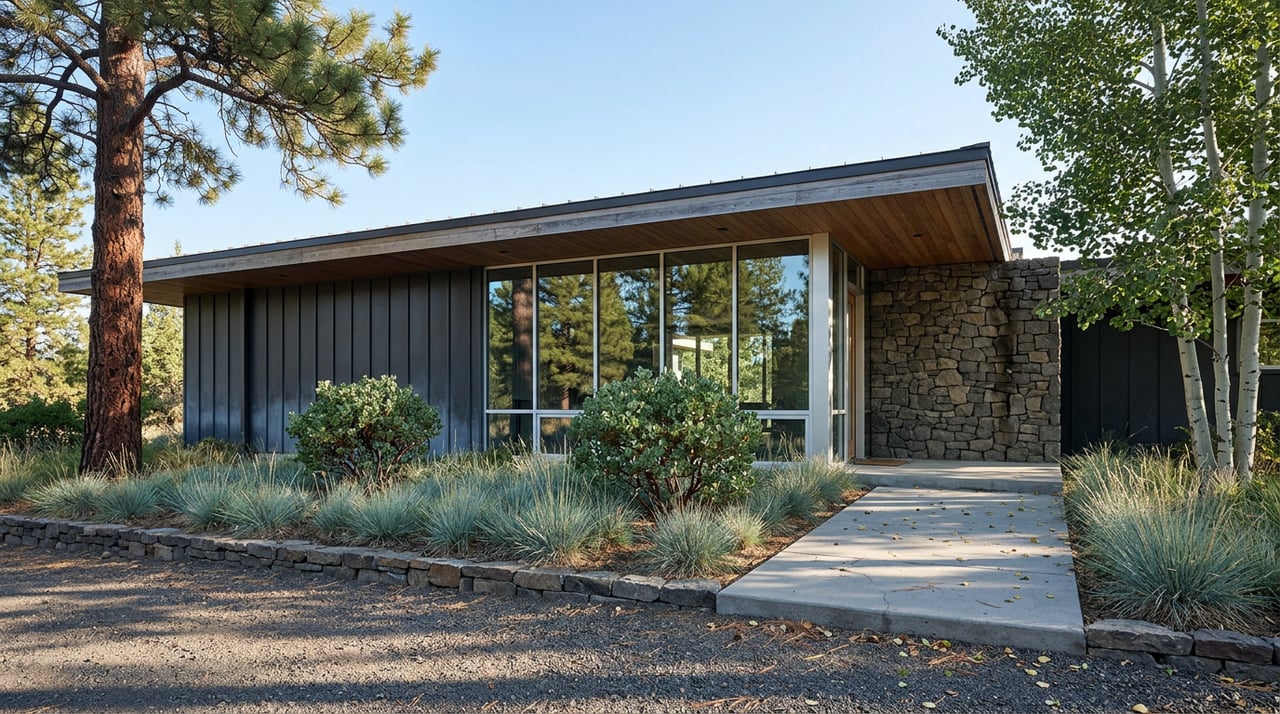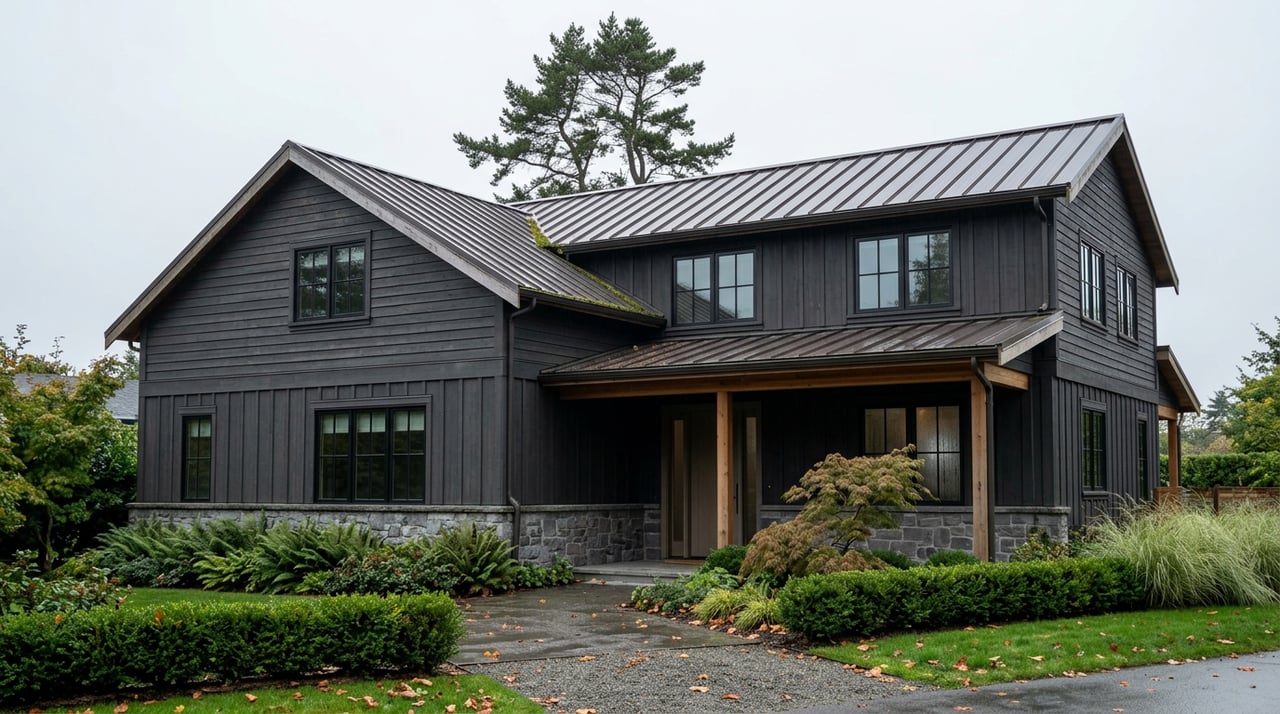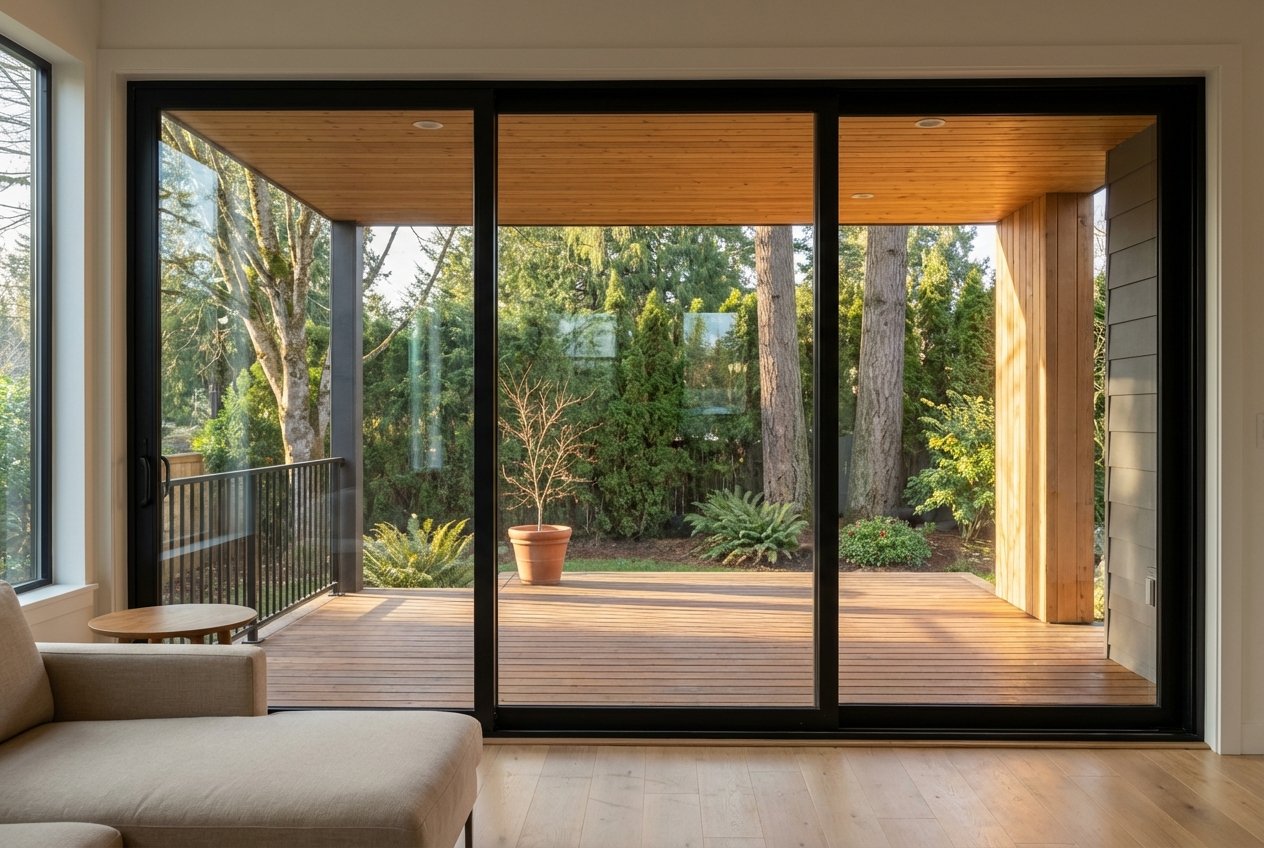
Thinking about selling your Thurston home this year? In today’s market, how you prepare and how you price can be the difference between a confident sale and weeks of second-guessing. You want straight answers, a clear plan, and local context you can trust. This guide gives you a step-by-step prep checklist, smart updates that pay in Thurston, and a simple pricing playbook built around real comps and current buyer behavior. Let’s dive in.
Know the Thurston market now
Springfield’s typical home value sits around $406,226, with Lane County’s median sale price near $449,000. Thurston-specific data varies by source, but recent neighborhood snapshots show a median list price in the mid to high $400s and closed sales in a similar range. Local reporting points to more inventory and slightly longer days on market compared with peak years, which means buyers have more choices. Expect the spring selling season to be the busiest window for showings and price discovery, according to recent Lane County coverage.
Portals pull from different time frames and samples, and they mix listing prices with closed sales. Treat neighborhood-range numbers as context. For a precise and defensible list price, you should lean on a broker-prepared CMA using the most recent Thurston sales and current competition.
Handle required disclosures early
A smooth sale starts with getting your mandatory disclosures and safety items in order. Address these early to protect your timeline and reduce post-offer friction.
Oregon’s core seller disclosures
- Seller Property Disclosure Statement: Oregon requires most sellers of 1–4 unit residential properties to deliver a statutory disclosure form. Complete it carefully and keep proof of delivery. See the statute overview for context at the Oregon Legislature’s ORS 105 page.
- Smoke alarms: Oregon prohibits conveying a dwelling without required smoke alarms installed and working. Confirm compliance ahead of listing. Review the rule at ORS 479.260.
- Lead-based paint: For homes built before 1978, provide the EPA/HUD pamphlet and a signed lead disclosure. Buyers get a 10-day test period unless waived. Guidance is available from the EPA.
Septic, well, and system documentation
- Septic systems: The Oregon DEQ recommends an Existing System Evaluation by a qualified inspector, especially in rural or acreage homes. New onsite wastewater rules and forms took effect Jan 1, 2026, so check the latest guidance at Oregon DEQ’s onsite systems page.
- Private wells: Gather pump service records and any water test results. Disclose known issues on your seller disclosure.
Permits, records, and HOA packets
- Permits and major work: Collect permits and contractor invoices for roofing, additions, electrical, HVAC, and similar projects. Unpermitted work can stall negotiations, so disclose clearly. See practical tips via OREF’s resource hub.
- HOA/condo: If applicable, order the resale certificate, estoppel, CC&Rs, budget, and meeting minutes well in advance. Learn why timing matters from this Oregon resale document explainer.
Prep checklist: what to fix first
Your first dollars should go to safety, systems, and anything likely to derail a buyer’s loan or inspection. Address items that can trigger lender flags or insurance concerns.
High-priority fixes
- Roof issues, foundation cracks, electrical hazards, failed HVAC, active water intrusion, or known septic failures. If you suspect problems, consider a pre-listing inspection. Typical Oregon pre-listing inspections run about $300 to $600. If you have septic, budget roughly $300 to $900 for an Existing System Evaluation.
- Smoke and CO alarms: Confirm required smoke alarms are present and functional per Oregon code. Replace missing or outdated devices.
- Documentation: Create a simple property file. Include permits, appliance manuals, warranties, septic or well records, recent contractor invoices, and service logs. Buyers appreciate clarity.
Smart updates that sell in Thurston
Well-chosen, affordable improvements can shift buyer perception and help your home stand out in online searches and at first showing.
Boost curb appeal and outdoor living
- Front-of-house upgrades: National Cost vs Value data shows exterior updates like a new garage door or refreshed entry door are consistent ROI leaders. Use these as high-impact targets and scale to your budget. Review the trends summarized by the Journal of Light Construction’s Cost vs Value report overview.
- Landscaping: Keep it clean and low-maintenance. Oregon State University Extension recommends region-appropriate, lower-irrigation plantings for the Willamette Valley. A tidy lawn edge, pruned shrubs, and pressure-washed walkways go a long way.
- Outdoor rooms: In East Springfield and Thurston, buyers value access to parks and trails. Highlight functional outdoor spaces with a cleaned deck or patio, simple seating, and subtle lighting, following local codes and safety.
Refresh interiors simply
- Neutral paint throughout, updated light fixtures, and new hardware deliver strong perceived value without overspending.
- Replace tired carpet or consider durable LVP in high-traffic areas for a photo-ready look.
- Keep staging in mind as you choose finishes so rooms read bright, open, and move-in ready online.
Stage and market for clicks and showings
Professional photography is one of the highest-ROI marketing moves you can make. Listings with 3D or virtual tours typically get more attention online and can attract more in-person showings.
- Time photos after landscaping clean-up and interior staging are complete. Aim for bright, even light.
- Consider professional staging for the living room, kitchen, and the primary bedroom. National guidance finds staged homes often spend fewer days on market and generate more online interest. Get practical ideas from HGTV’s staging tips.
Build a pricing plan using comps
Your goal is a price that is defensible, discoverable in search, and aligned with current buyer behavior. Start with a strong CMA, then choose a list-price strategy that matches your timeline.
Choose the right comps
- Prioritize closed sales from the past 3 to 6 months in Thurston or directly adjacent Springfield areas. Focus on homes within 10 to 15 percent of your home’s square footage, similar bed/bath counts, age, lot type, and condition.
- Use active and pending listings to understand your competition, and check expired listings to see where sellers overreached.
- Make adjustments for meaningful differences like unfinished basements, remodel scope, garage size, lot size, and proximity to trails or views. For an overview of the CMA process, review this CMA how-to.
Pick a list-price strategy
- Market-match pricing: List within about 1 to 3 percent of the CMA mid-range if you want a standard market time with solid offer quality.
- Slightly-under strategy: Price 1 to 3 percent below the CMA mid-range to drive search-filter visibility and early showing volume. This can help when inventory is higher and buyers are comparison shopping.
- Aspirational pricing: Consider only if your home has verifiable premium features. Expect longer days on market and possible price reductions.
Check your live-market signals
- Days on Market: Compare your DOM to the neighborhood norm. If you exceed it by a week or two and showing activity is thin, consider a price correction or stronger marketing.
- Sale-to-list ratio: In late 2025 to early 2026, local sale-to-list ratios hovered close to 0.99 to 0.997. A well-priced home can expect to close near list in a balanced market. Use the first 7 to 14 days to gauge momentum.
Your 12-month action plan
Use this timeline if you have the luxury of planning ahead. If you need to sell sooner, compress the steps and prioritize safety, systems, and documentation first.
0 to 8+ months before listing
- Gather paperwork: deed, mortgage payoff statements, permits, warranties, appliance manuals, and a draft of your Seller Property Disclosure Statement. Reviewing the Oregon Legislature’s disclosure framework helps you plan.
- Schedule septic and well evaluations if applicable. New forms and rules are live, so start early. See DEQ’s onsite systems guidance.
- Get estimates for any aging systems and decide whether to repair, replace, or credit the buyer. Favor cost-effective exterior updates, entry refreshes, and a whole-house paint plan.
8 to 6 weeks before listing
- Order a pre-listing inspection if you want fewer renegotiations. Budget roughly $300 to $600.
- Complete high-impact updates: neutral interior paint, light landscaping, front-door and garage-door touchups, and a deep declutter.
- Budget guidelines vary by scope. As a ballpark, modest staging might range from $1,500 to $4,000, interior painting from $1,000 to $3,000, and yard clean-up from a few hundred to a few thousand.
2 weeks before listing
- Professional cleaning, staging or light staging, and photography. Add a 3D tour to increase online engagement.
- Final safety check: smoke and CO alarms working, trip hazards removed, and exterior pressure-washed.
Listing launch and first 2 weeks
- Watch showing requests, online saves, and feedback. If results lag neighborhood norms after 10 to 14 days, tighten photography, improve staging touchpoints, or consider a small price adjustment.
Under contract to closing
- Respond quickly to inspection requests. Have repair bids ready so you can decide whether to fix or credit. Follow Oregon disclosure and contract timelines carefully and retain records of all deliveries.
What a local broker handles for you
A full-service local listing broker makes the process simpler and more predictable. Here is what you can expect when you partner with a hands-on team.
- Market analysis and pricing strategy using an MLS-based CMA and neighborhood expertise. See an overview of CMA best practices here.
- Coordination of pre-listing inspections, contractors, staging, photography, and HOA or condo resale documents.
- Accurate MLS listing creation, high-quality photography, and 3D tour links. Managed showings, feedback collection, and open house strategy.
- Buyer communication, offer negotiation, and escrow coordination, including ensuring your Seller Property Disclosure and required forms are properly delivered per Oregon statute.
- Risk reduction through thorough disclosures, documentation of delivery, and referrals to local specialists if unusual legal or permit issues arise.
Ready to talk pricing and timing?
If you are planning to sell in Thurston, the next best step is a fresh, MLS-based CMA and a quick walk-through to prioritize prep. You will get clear, local guidance on what to fix, what to skip, and where to set your price so it matches the moment. For a friendly, no-pressure consult and a data-backed value estimate, connect with Chuck Wetherald, PC.
FAQs
What is a realistic price range for a Thurston home in early 2026?
- Recent Springfield and Lane County data suggest many Thurston homes trade in the mid to high $400s, but the right price depends on a current CMA of recent nearby sales and your home’s condition and features.
How long should I expect my Thurston home to take to sell?
- With increased inventory and balanced conditions, plan for a longer timeline than peak years, then fine-tune using local MLS days-on-market for your micro-area and property type.
Do I need a pre-listing inspection, or should I wait for the buyer’s?
- If you suspect issues or want fewer renegotiations, a pre-listing inspection, typically $300 to $600, helps you fix or disclose upfront and price accordingly.
Which updates usually deliver the best return before selling?
- Exterior curb appeal improvements like garage-door or entry-door upgrades are consistent ROI leaders, followed by neutral interior paint, lighting updates, and light landscaping.
What disclosures are mandatory when selling in Oregon?
- Most sellers must deliver the Seller Property Disclosure Statement, ensure required smoke alarms are installed, and provide lead-based paint disclosures for pre-1978 homes, along with any septic or well documentation as applicable.