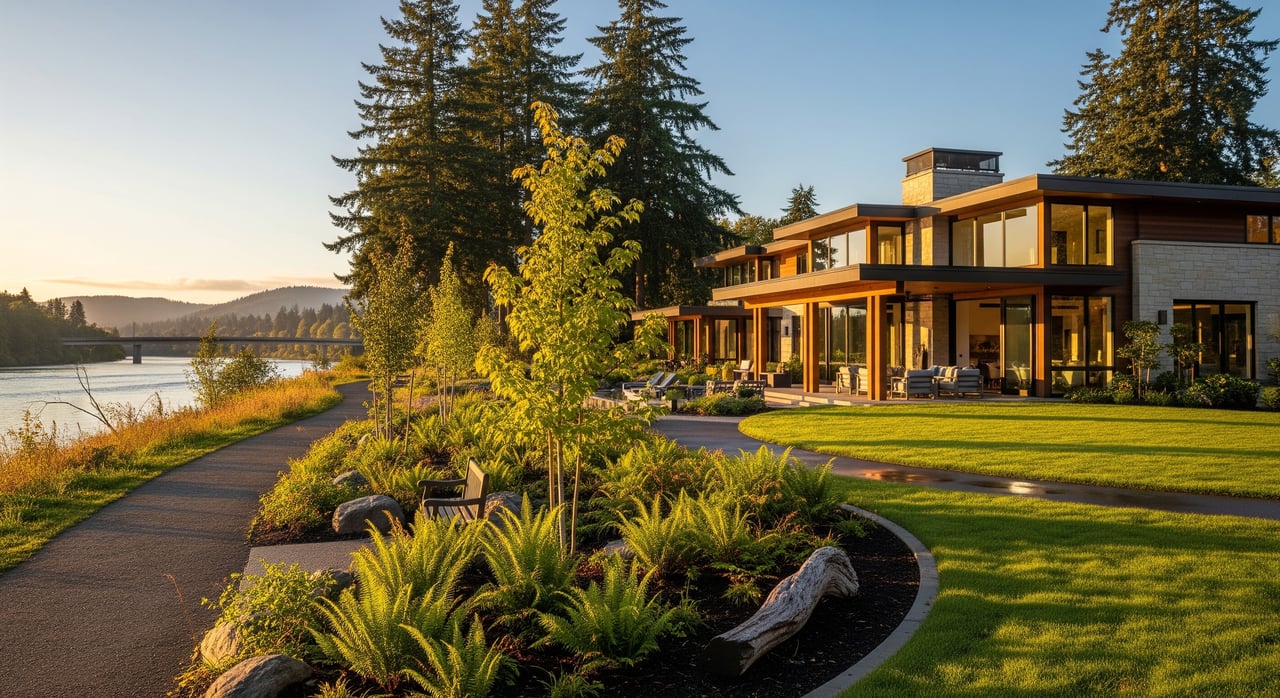
Dreaming of stepping onto a riverside path for your morning jog, then grabbing coffee downtown a few minutes later? If you love nature and want an in-town lifestyle, Eugene’s Willamette River corridor offers a rare blend of easy trail access, multiuse parks, and a range of home options. You might be comparing condos near the path to older cottages in nearby neighborhoods or wondering how flood rules work. This guide shows you what daily life looks like on the river, where to focus your home search, and the key rules to know before you buy. Let’s dive in.
Riverfront lifestyle at a glance
Living near the Willamette shapes your routines in practical ways. You get wide, paved paths for biking and running, quick access to parks, and a front-row seat to seasonal wildlife. You also gain flexibility to commute without the car on many days.
Trails that shape daily life
Eugene’s signature river paths form the Ruth Bascom Riverbank Path System, a network commonly described as more than 10 miles of connected, paved trails. These paths link neighborhoods, parks, bridges, and the University of Oregon corridor, so you can run, bike, or stroll without much street traffic. Many residents use the paths for weekday commutes and quick errands.
If you want a preview of the system, browse the City of Eugene’s resources for current park and trail updates through the City of Eugene Parks and Open Space pages.
Parks within minutes
Several major parks anchor the river corridor:
- Alton Baker Park. Eugene’s largest riverfront park with multiuse trails, open lawns, picnic areas, disc golf, and put-ins for canoes and kayaks. It is a frequent starting point for paddlers and community events.
- Delta Ponds. An urban wetland and wildlife area known for short nature walks and birding.
- Whilamut Natural Area. A restored floodplain and riparian area that protects habitat and preserves public access along the river.
- Skinner Butte Park. A bluff with trails and viewpoints over the river and downtown.
These spaces make it easy to mix weekday workouts with evening picnics and casual birding. Public launches and informal access points support paddling. Private docks are uncommon within the city and typically require permits.
Everyday recreation and wildlife
Riverfront living weaves recreation into your day. You can jog from your front door, bike to a game at the UO, or take a quick paddle before dinner. Seasonal wildlife is part of the experience too. You may see herons and osprey near wetlands and notice shifting conditions with spring runoff and summer low flows.
Where to look: neighborhoods and home types
The river spans different parts of Eugene, and each stretch offers a distinct feel. You will find everything from low-maintenance condos to older single-family homes and pockets of newer infill.
Downtown-adjacent condos and townhomes
If you want trail access and walkable urban amenities, look near downtown and the University corridor. You will see low-rise condos and townhomes close to the paths and bridges. These homes trade large yards for proximity to parks, cafes, and events.
Historic cottages and older single-family homes
Adjacent neighborhoods offer Craftsman and bungalow styles on smaller lots, often with remodels that blend period character and modern updates. Properties closest to the river may be affected by setback rules or environmental overlays, which can limit expansion but keep the corridor green.
North of the river: mid-century mix
In the River Road area and other north-side pockets, you will find mid-century single-family homes, ranches, and suburban lots. River access varies. Some homes sit near greenway paths or public access points while others are set back with more privacy.
South and southeast stretches with views
Farther south and southeast, gentle slopes create view opportunities. You will see higher-value single-family homes and targeted infill projects. These areas blend a quieter, residential feel with quick drives or bike rides to the trail system.
What to expect inside
- Condos and townhomes with lower maintenance and quick access to trails and downtown.
- Older Craftsman and bungalow homes, some with tasteful upgrades.
- Homes near the river that are smaller or uniquely sited due to setbacks and permitting histories.
Proximity to the river often commands a premium for views and access, though Eugene pricing is generally more moderate than larger metro markets. Actual prices vary by neighborhood, condition, and flood-risk designation.
Key rules and risks to know
Buying near the river introduces a few extra steps. Floodplain status, greenway overlays, and private water access rules often shape what you can buy and what you can build.
Floodplains and insurance
Many river-adjacent parcels fall within FEMA or local flood zones. Lenders may require flood insurance through the National Flood Insurance Program for high-risk zones. Confirm your zone and base flood elevation with the FEMA Flood Map Service Center. Also check City of Eugene and Lane County resources for local floodplain overlays and elevation certificates.
What this means for you:
- Flood insurance can affect your total monthly cost.
- Foundation and HVAC locations matter for risk and premiums.
- Past mitigation, such as flood vents, can be a plus.
Willamette Greenway and riparian setbacks
The river corridor is governed by state and local rules that protect habitat and public access. The Willamette Greenway includes overlays and setbacks that limit certain structures, require vegetated buffers, and regulate bank alterations. Before planning a remodel or river access improvement, review the Oregon Department of State Lands Greenway rules and consult City of Eugene planning.
Private docks and water access
Private docks are not automatic in the urban river corridor. Constructing or maintaining a dock typically requires state and local permits, and many properties do not qualify. Public launches are the common alternative for paddlers. If a listing features a dock, verify permits and maintenance history.
Water quality and fish advisories
Urban stretches of the Willamette have had historic contaminants in fish such as PCBs and mercury. If you plan to fish and eat your catch, review current advisories from the Oregon Health Authority and water quality reports from Oregon DEQ. River advocacy groups like Willamette Riverkeeper also share updates and restoration news that can inform your use and stewardship.
Seasonal conditions and maintenance
Expect seasonal mosquitoes in some wetland-adjacent pockets during warm months. Vegetation management is ongoing near the river, especially where native plantings or buffers are required. Public trail activity can rise on sunny weekends and summer evenings, so visit at different times to see how it feels.
Matching lifestyle, budget, and location
Start with how you plan to use the river. If you want a low-maintenance setup and easy biking to downtown, condos and townhomes near bridges and paths may fit best. If a private yard and classic architecture matter more, look at older single-family homes just off the corridor. If you are after a more suburban feel with variable access, explore north-side neighborhoods.
Eugene’s pricing is more moderate than many larger cities, but proximity, view corridors, and flood designations can shift value. A home just outside a flood zone may ease insurance needs. A property within a setback area may limit expansion but protect the surrounding greenway feel. Your agent can help you weigh those tradeoffs.
Quick buyer checklist for showings
Use this list to evaluate homes and plan due diligence:
- Visit at multiple times to gauge trail use, noise, and parking.
- Confirm FEMA flood zone and local floodplain overlays. Ask about past flooding, mitigation, and any elevation certificate.
- Check whether the property is within Greenway or riparian setback areas. Verify what improvements need permits.
- Ask about private water access. If there is a dock or ramp, confirm permits. If not, note the nearest public launches.
- Map walk and bike distances to downtown, grocery stores, and the UO.
- If you plan to fish, consult state fish consumption advisories before eating local catch.
- For condos or HOAs, review CCRs for rules about outdoor storage, boat storage, and shared riverfront spaces.
How a local expert helps
River-adjacent transactions benefit from precise local knowledge. You want a partner who can interpret flood maps, confirm overlays, and track down permit histories, all while guiding you through inspections and financing. A local team should also help you understand park proximity, trail connections, and day-to-day access so the home fits your routine.
At Worthland Real Estate, you get principal-led advice, neighborhood-level insights, and hands-on management from search to close. We help you:
- Verify flood status and insurance implications.
- Identify Greenway and riparian setbacks that affect plans.
- Evaluate condition, remodel feasibility, and outdoor usability.
- Align location and housing type with your lifestyle and budget.
Ready to explore Eugene’s riverfront options with a trusted local? Reach out to Chuck Wetherald, PC to start a focused search.
FAQs
What is the Ruth Bascom Riverbank Path System?
- Eugene’s connected, paved riverfront trail network that links parks, bridges, neighborhoods, and the University corridor, widely used for biking, running, and commuting.
Do most river homes have private docks in Eugene?
- No. Private docks within the city are uncommon and usually require permits; most residents use public launches for canoes and kayaks.
Will my lender require flood insurance near the Willamette?
- Possibly. If your property is in a high-risk FEMA or local flood zone, lenders may require coverage. Check the FEMA Flood Map Service Center and confirm with your lender.
Are there good places to launch a kayak in Eugene?
- Yes. Public put-ins, including those in and near Alton Baker Park, support paddle sports. Many buyers choose public access instead of private docks.
How busy are riverfront trails on weekends?
- Busier than weekdays, especially on sunny days and summer evenings, though trail traffic is typically lighter than vehicle corridors.
What should I check before planning a remodel near the river?
- Confirm Greenway and riparian setbacks, flood status, and required permits. Review the Oregon Department of State Lands Greenway rules and consult City of Eugene planning early in your process.