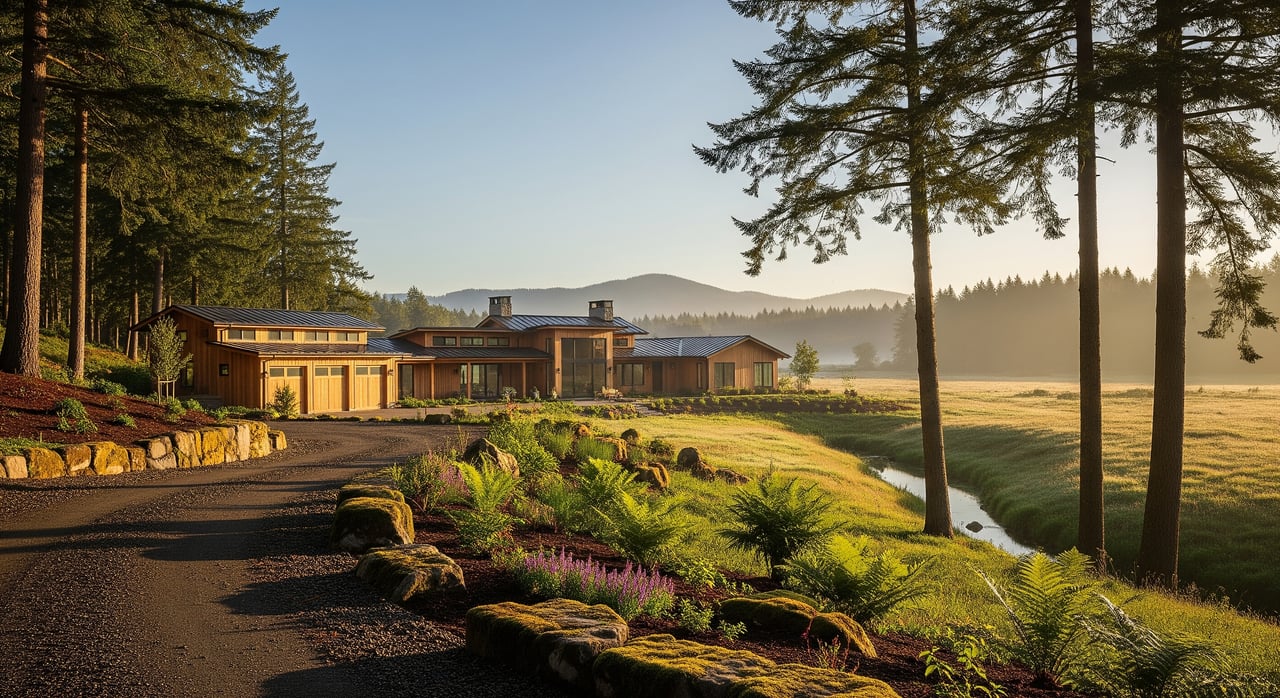
Dreaming of space for a garden, a small barn, or quiet mornings under fir trees, but still want quick trips into Eugene? You are not alone. Many buyers look to South Lane County for acreage that balances privacy with access to services and jobs. In this guide, you will learn what to check first, how to confirm buildability, and which costs and risks to plan for before you write an offer. Let’s dive in.
Why South Lane County appeals
South Lane County south of Eugene offers a mix of rural residential lots, hobby farms, forested tracts, and larger farm or timber parcels. You get room to spread out while staying within practical reach of Eugene’s services and employers. Depending on location, typical drives to downtown range from about 10 to 20 minutes for close-in areas to 30 to 60 minutes for more rural parcels.
The tradeoff is that land closer to the city usually costs more per acre. Utility conditions and development rules also vary from lot to lot. That is why early feasibility work is key before you fall in love with a view.
Start with zoning and permits
Before anything else, confirm two items: the parcel’s zoning and whether a home is allowed under current rules. In unincorporated areas, Lane County planning and building divisions handle land use and building permits, and statewide rules come from the Oregon Department of Land Conservation and Development.
Common designations you will see
- Exclusive Farm Use (EFU) and other agricultural zones, which protect farm land and can limit non-farm dwellings.
- Rural Residential or similar rural-living zones, which allow lower-density housing with minimum lot sizes that vary by area.
- Forest or timber designations, which may restrict non-forestry uses and carry special assessment rules.
Always verify the official zoning and comprehensive plan designation for the exact tax lot. Even if a parcel is vacant, you may still need approvals such as a septic permit, proof of a feasible water supply, an access permit for your driveway, and in some cases a home site approval. On steep or unstable ground, be ready for geotechnical review and stormwater planning.
Water, septic, power, and access
Utilities are often the biggest swing factor in cost and timeline. Ask for records up front and confirm service boundaries early.
Water
Parcels inside Eugene city limits or select close-in pockets may access city water through the Eugene Water & Electric Board. Most rural parcels rely on groundwater wells, springs, or small shared systems. Oregon regulates wells and water rights through the Oregon Water Resources Department. Ask for the well log, a recent yield or pump test, and any written water-sharing agreements.
Septic
Most rural homes use onsite septic. Lane County environmental health staff permit septic systems based on soils, slope, and site layout. Verify that any existing system is permitted and get maintenance records. If there is no system, budget time and money for soils testing and a septic feasibility review.
Power and communications
Close-in parcels may be served by EWEB or a rural electric cooperative. Remote sites sometimes require line extensions, which can be costly, or they use off-grid options. Cell service and internet speeds vary widely. Test your carrier on site and check local providers, fixed wireless, DSL or fiber options, and satellite services.
Roads and access
Determine if the road is county maintained or private. Private roads usually rely on shared maintenance agreements, which affect costs and neighbor coordination. In hillside areas, plan for winter traction, drainage, and the possibility of road upgrades or culvert work.
Know the natural hazards
Natural features shape where you can build, what it costs, and what you will pay to insure the property.
Wildfire
Forested and brushy hills in South Lane County can face elevated wildfire risk during dry months. Review defensible space guidance and the latest risk information from the Oregon Department of Forestry. Ask about multiple access routes, available water for fire suppression, and the nearest fire response.
Flooding and riparian areas
If the property borders a creek or river, check whether it lies in a FEMA flood zone using the FEMA Map Service Center. Local riparian setbacks can limit where you build and may require extra permits. Flood insurance and elevation certifications can add cost.
Wetlands and habitat
Wetlands or jurisdictional streams may limit buildable area and trigger state or federal permits. Some properties carry conservation easements that restrict development. The Willamette Valley Land Trust offers background on local conservation tools and easements.
Slope stability
Hillside parcels can experience erosion or landslide risk. A geotechnical engineer may be required to identify safe building areas and foundations. Expect longer timelines and higher site-prep costs on steep or unstable ground.
Financing, insurance, and taxes
Financing depends on how “ready” the property is. A home with established utilities usually qualifies for a conventional mortgage. Raw land or parcels without permitted well and septic often require a specialized land loan and a larger down payment. Some buyers may qualify for programs from USDA Rural Development, subject to eligibility rules and maps.
Insurance rates reflect wildfire exposure and distance to fire services. In higher-risk areas, coverage can be more expensive or limited, so get quotes early. Property taxes are assessed by Lane County. Farm or forestland that meets program rules can receive special assessments that reduce taxes while the use stays in place. If use changes, there can be payback charges.
Site development costs to plan for
- Septic install or repair: often 10,000 to 40,000 dollars or more, depending on soils and system type.
- Well drilling and equipment: often 10,000 to 30,000 dollars or more, depending on depth and yield.
- Power line extension and trenching: can range from several thousand to tens of thousands of dollars.
- Driveway, culverts, and drainage: varies with terrain and length of access.
- Tree removal, grading, and erosion control: cost and timing vary widely by site.
A quick field checklist for tours
Use this list during your first visits to narrow in on the right acreage.
- Zoning and use: What is the exact zoning and plan designation, and is a dwelling allowed?
- Water: Do you have a recent well log and yield test, or a clear plan to establish water?
- Septic: Is there a permitted system with records, or a soils test for feasibility?
- Power and internet: Who serves the area and how far is the nearest connection point?
- Access: Is the road public or private, and is there a written maintenance agreement?
- Terrain and hazards: Any steep slopes, dense fuels near the homesite, creeks, or mapped flood zones?
- Easements: Are there recorded easements for access, utilities, or conservation?
Next steps and who to call
Your first calls should confirm big-ticket feasibility items. For water and wells, review guidance and records with the Oregon Water Resources Department. For wildfire risk and mitigation strategies, consult the Oregon Department of Forestry. To understand statewide land-use rules that frame local zoning, study resources from the Oregon Department of Land Conservation and Development. If you are close to city service areas, check water and electric availability with the Eugene Water & Electric Board. For flood mapping, rely on the FEMA Map Service Center. For financing options in eligible rural areas, review programs at USDA Rural Development.
If you want a clear, local plan tailored to your goals, we are here to help you line up the right checks in the right order. Reach out to Chuck Wetherald, PC to talk through zoning, utilities, timelines, and a smart offer strategy for South Lane County acreage.
FAQs
Can I build a house on EFU or forest land near South Eugene?
- Maybe. It depends on the exact zoning, parcel history, and meeting standards like water, septic feasibility, and legal access. Confirm with Lane County planning before you proceed.
How do I verify water for a rural Lane County property?
- Ask for the well log and a recent yield or pump test, and confirm well rules and records with the Oregon Water Resources Department. For shared systems, get any written agreements.
What does a septic system typically cost on acreage?
- Many systems run 10,000 to 40,000 dollars or more, depending on soils, slope, and system type. Always budget for soils testing and a feasibility review.
Is wildfire insurance available for rural properties near Eugene?
- Generally yes, but cost and availability depend on wildfire risk and distance to fire services. Review risk maps and mitigation steps from the Oregon Department of Forestry and get quotes early.
Can I connect to city water or power on acreage close to Eugene?
- Only if the parcel lies within a service boundary. Check availability and connection requirements with the Eugene Water & Electric Board or the local electric cooperative for your area.
Are USDA loans an option for buying acreage in Lane County?
- Sometimes. Eligibility depends on property location plus income and occupancy rules. Review programs and maps at USDA Rural Development.