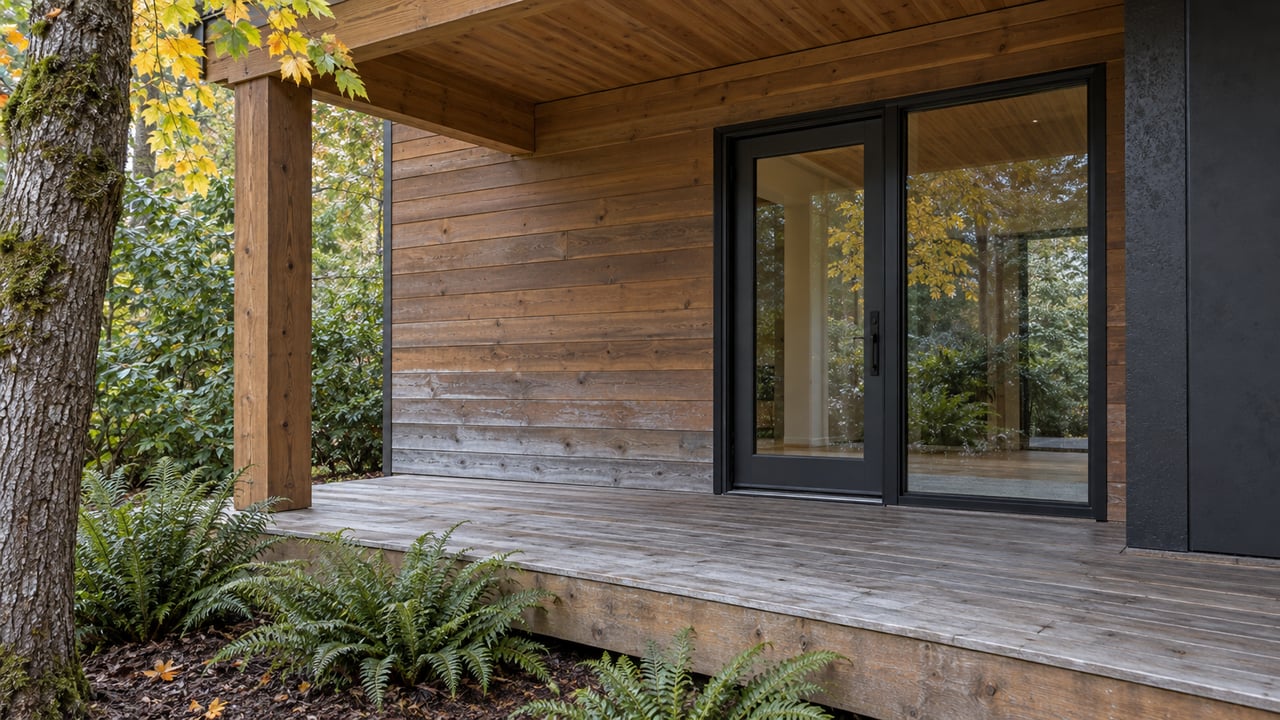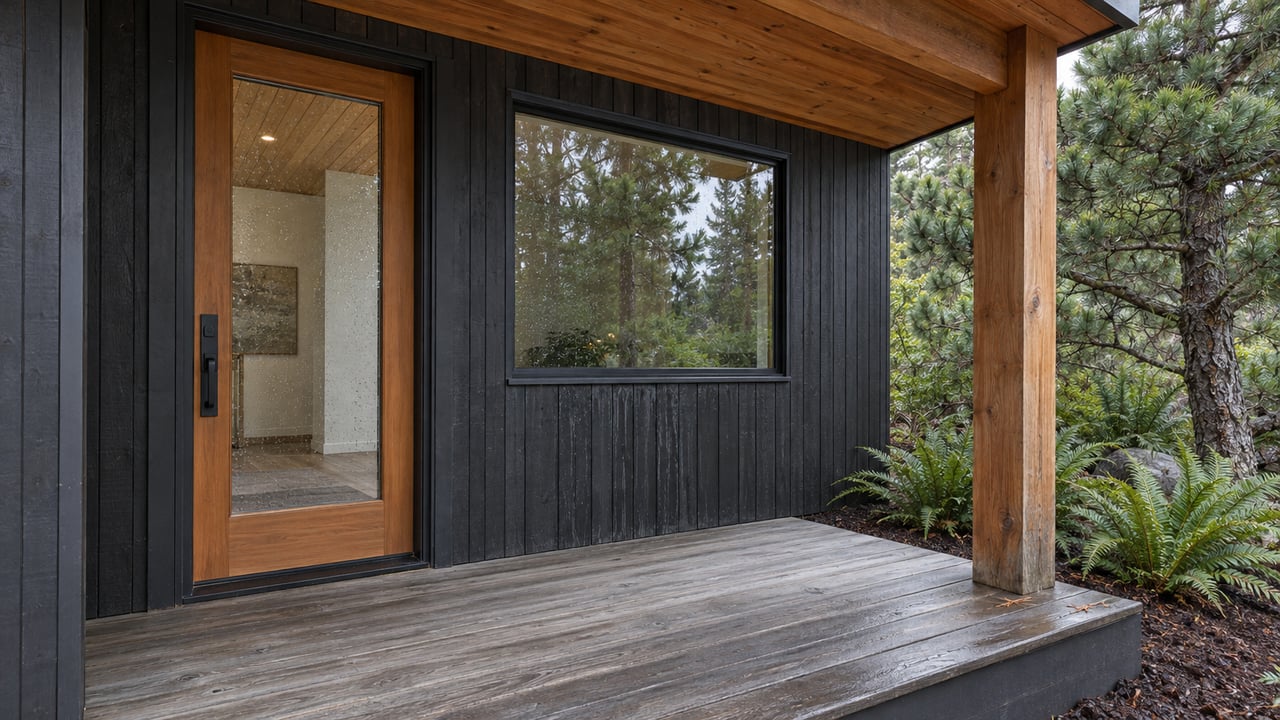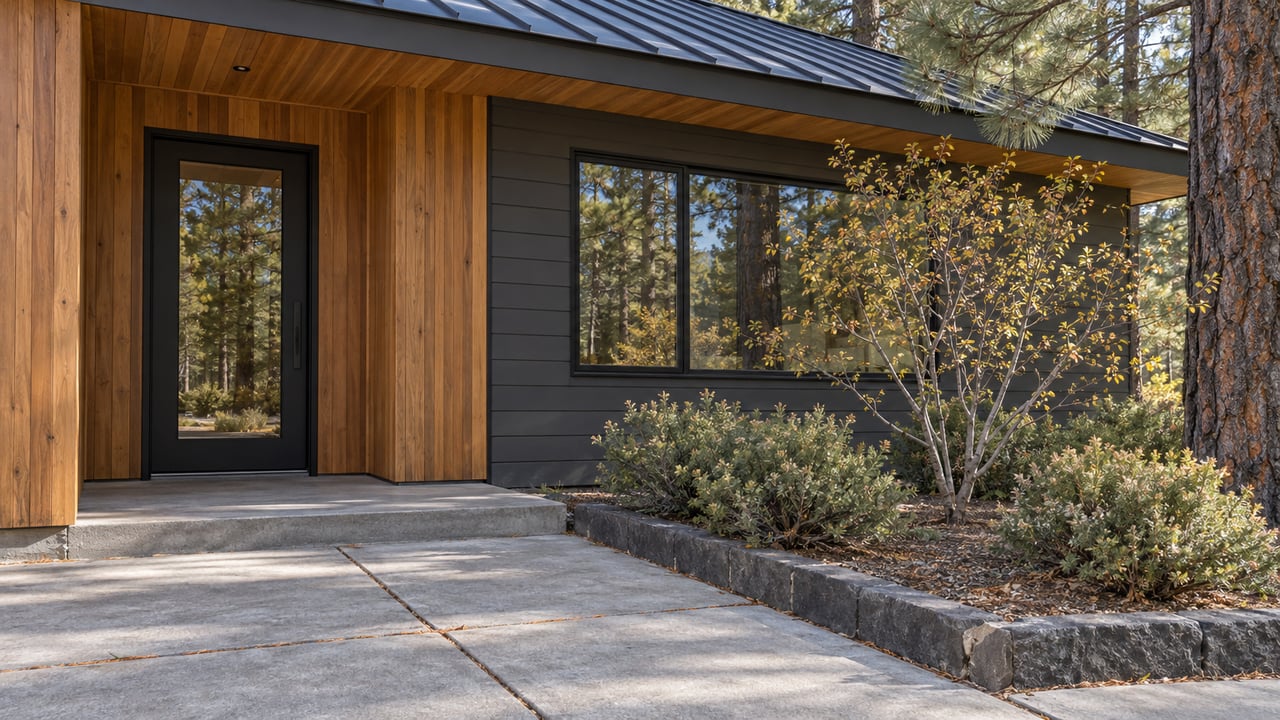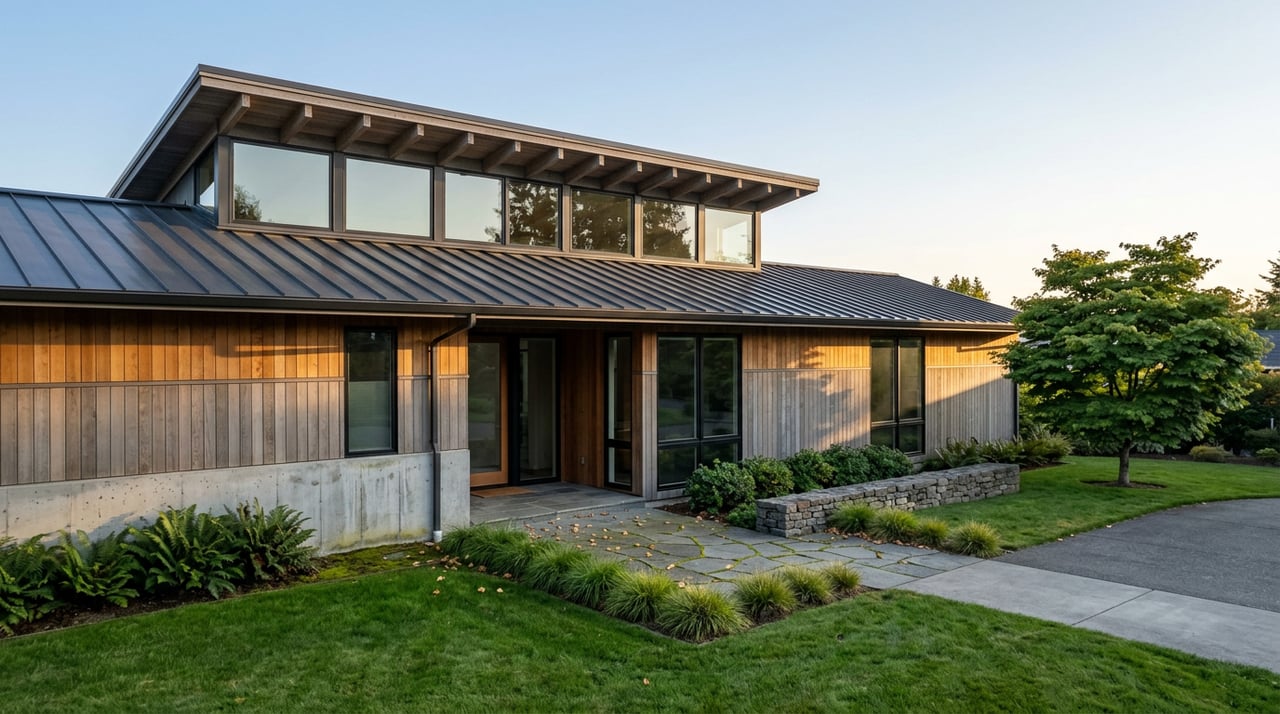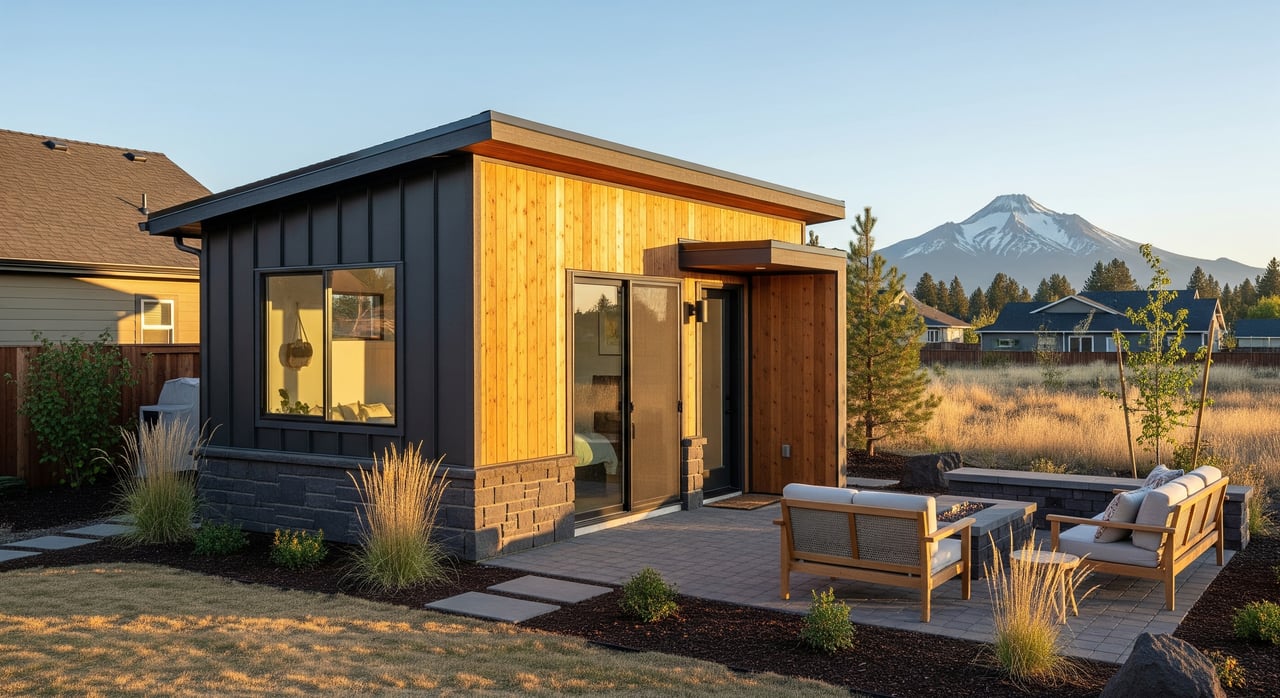
Thinking about adding an accessory dwelling unit to your Bend property? Whether you want space for a family member, steady rental income, or a flexible home office, an ADU can be a smart move. You also want clear answers on rules, permits, costs, and value before you start. This guide gives you the practical basics for Bend and Deschutes County, plus where to verify details and how to plan your next steps. Let’s dive in.
What is an ADU?
An accessory dwelling unit is a small, independent home on the same lot as a primary residence. In Bend, you’ll commonly see three forms:
- Attached ADU within or added to the main house.
- Detached ADU as a separate backyard structure.
- Interior conversion of existing space, like a basement or garage.
All ADUs must meet residential building codes and safety standards. That includes structural, electrical, plumbing, and mechanical rules, as well as egress and smoke and carbon monoxide detectors.
Bend vs. County: Know your jurisdiction
Rules and permit steps differ depending on where your property sits.
- Inside Bend city limits: The Bend Development Code sets standards for allowed zones, size, setbacks, height, parking, and utility connections. Find current requirements on the City of Bend planning and building pages.
- Unincorporated Deschutes County: Properties outside city limits follow county zoning and county building permits. Check Deschutes County Community Development for land-use and building rules, and Environmental Health for septic questions.
If you are not sure which jurisdiction applies, start by calling the city or county planning desk with your address.
What to confirm before you design
Every site is unique. Before you hire a designer, confirm these basics with the city or county:
- Zoning and allowed ADU type for your lot.
- Maximum size and height limits, and how size is measured.
- Setbacks, lot coverage, and any special overlays such as wildfire or flood zones.
- Parking and access requirements, including driveway layout and emergency access.
- Utilities and meters for water, sewer, or septic. If you are on septic, capacity upgrades may be required.
- Owner-occupancy and rental rules, if any apply where you live.
- Short-term rentals requirements if you plan nightly or weekly rentals. Bend has separate STR regulations and permitting processes.
For up-to-date code text, fee schedules, and checklists, start at the City of Bend planning and building pages. For statewide context on how Oregon supports ADUs, review statewide ADU guidance from DLCD and the Oregon Building Codes Division.
Permit steps and typical timeline
Most straightforward ADUs are handled as ministerial approvals when your plans meet code, but steps can vary by site. A typical in-city flow looks like this:
- Early consult: Optional chat with planning and building staff to flag zoning, utilities, or overlays.
- Land-use check: Some ADUs move straight to building permits; others need zoning review. Verify your path with the city.
- Building permit submittal: Provide a site plan, floor plans, elevations, structural details, and energy documentation. Include septic or utility information as needed.
- Plan review: The city reviews planning, building, engineering, and utilities. Be ready for plan corrections.
- Permit and inspections: Build and schedule inspections for foundation, framing, electrical, plumbing, mechanical, and final.
- Final approval: Obtain final inspection sign-off before anyone occupies or rents the ADU.
Timelines range from a few weeks to several months. Drivers include plan completeness, review backlogs, structural upgrades for conversions, and utility or septic work. For county properties, connect with Deschutes County Community Development early, especially if you use septic.
Cost drivers in Bend
ADU budgets vary widely. In general, interior conversions cost less than new detached builds, and local labor and materials in Central Oregon can run above national averages. Your total budget often includes:
- Design and permitting: Architectural plans, engineering, permit and plan review fees.
- Site work and foundation: Grading, excavation, slab or footings, drainage.
- Structure and exterior: Framing, roofing, siding, windows, insulation.
- Systems: Plumbing, electrical, HVAC, and energy code upgrades.
- Interior finishes: Cabinets, countertops, bath fixtures, flooring, paint.
- Utilities or septic: New connections, meters, or septic expansion as required.
- Access and site features: Driveway, walkway, landscaping, and stormwater.
- Contingency: 10 to 20 percent to cover unknowns, especially in conversions.
Ask several Bend-area contractors for written, apples-to-apples bids and references. If you are on city services, confirm City utility and System Development Charges information during your budgeting.
Ways to finance your ADU
Homeowners in Bend often mix and match financing. Common options include:
- Cash or savings.
- Home equity loan or HELOC secured by your primary home.
- Cash-out refinance to tap existing equity.
- Construction or renovation loan that converts to permanent financing after completion.
- Local programs or incentives that may exist periodically through housing agencies or community lenders.
Discuss interest costs and potential tax treatment with your lender and a CPA. Building and inspection requirements come from the Oregon Building Codes Division, so your lender may ask for permit documentation at draw stages.
Value, rent, and ROI in Bend
A well-designed, permitted ADU can improve your property’s flexibility and market appeal. Buyers often value:
- Income potential from long-term rentals.
- Multi-generational living options with privacy and separate access.
- Future flexibility for work-from-home, guests, or caregiver needs.
Appraisers consider comparable sales with ADUs and, in some cases, the income approach. Rental performance depends on neighborhood demand, vacancy, and local rent levels. If you are considering short-term rentals, confirm Bend’s STR rules and taxes on the city site before you list.
Here is a simple way to estimate cash flow and payback:
- Annual gross rent = monthly rent × 12
- Net Operating Income (NOI) = annual gross rent − vacancy allowance − operating expenses you pay (utilities, maintenance, management)
- Simple payback period = total ADU project cost ÷ annual NOI
Include financing costs and reserves in your math so your forecast is realistic.
Taxes, insurance, and occupancy
Three important administrative items to plan for:
- Property taxes: Adding an ADU can affect assessed value. For questions about assessments and how additions are handled, contact the Deschutes County Assessor.
- Insurance: Update your policy to reflect the extra unit. If you plan to rent the ADU, ask your carrier about a landlord endorsement or separate dwelling policy, and confirm liability coverage.
- Occupancy and rental rules: Owner-occupancy or rental duration rules can change. Check the City of Bend planning and building pages or Deschutes County Community Development for current policies.
Quick prep checklist
Use this to organize your first 30 days:
- Verify jurisdiction and zoning for your address.
- Confirm utility or septic requirements with the city or county.
- Note size, setback, height, parking, and lot coverage rules.
- Walk the site for access, fire flow, and egress considerations.
- Gather a site plan and basic layout ideas.
- Consult one designer and two to three Bend-area contractors.
- Ask the city or county about current fees, SDCs, and any incentives.
- Build a budget with a contingency and a financing plan.
Build new or buy with an ADU?
You can add an ADU to your current home or shop for a property that already has one. Building lets you customize and may unlock rental income on a timeline you control. Buying a home with a permitted ADU can speed up your cash flow and simplify financing. Either way, your goals, budget, and timeline will shape the best path.
If you want a local, practical take on ADUs and property choices in Bend and nearby markets, let’s talk about your plan and budget. Connect with Chuck Wetherald, PC for straight answers, trusted resources, and next steps.
FAQs
Can I build an ADU on my Bend lot?
- It depends on your zoning, lot conditions, and whether you are inside city limits or in unincorporated county. Start with the City of Bend planning and building pages or Deschutes County Community Development to confirm.
What ADU types are allowed in Bend?
- Attached, detached, and interior conversions are common. Size, height, and placement rules vary, so check the Bend Development Code for current standards.
Do I need new utility connections or a septic upgrade?
- ADUs must connect to approved water and sewer or a permitted septic system. If you are on septic, the county may require capacity upgrades. Contact Environmental Health for septic questions.
How long do ADU permits and construction take?
- Simple, code-compliant projects can move in weeks to a few months, while complex sites or septic upgrades can take longer. Plan review timelines vary with workload and project complexity.
How much does an ADU cost in Bend?
- Costs vary by type and site. Conversions tend to be less than new detached builds, and Central Oregon pricing can be above national averages. Get several local bids and include a 10 to 20 percent contingency.
Can I rent my ADU short-term in Bend?
- Short-term rentals have separate rules, permits, and taxes. Confirm current requirements on the City of Bend site before advertising nightly or weekly stays.
Will an ADU raise my property value?
- Many buyers value a legal, permitted ADU for income or multi-generational living, but the premium depends on location, design, and local demand. Appraisers look at comparable sales and, in some cases, rental income.
Where can I see the exact rules and fees?
- For the most current code, fees, and process steps, use the City of Bend planning and building pages or Deschutes County Community Development. For statewide context, see the Oregon Building Codes Division and DLCD.