Ice storms in Springfield can show up fast. One day it’s rain, the next it’s a slick glaze that loads branches, clogs gutters, and tests your roof and power plan. If you own a home or rental, you want a simple, local checklist that keeps people safe and prevents costly damage.
In this guide, you’ll learn what to watch for on your roof, how to reduce tree risks, and how to choose safe backup power. You’ll also get a budget-friendly action plan and a seasonal timeline tailored to Springfield and Lane County. Let’s dive in.
Springfield’s ice-storm reality
Springfield sits in the Willamette Valley, where winters are usually mild and wet. Every so often, cold air settles in and turns rain into freezing rain that coats roofs, sidewalks, and trees with heavy glaze. That weight can break limbs, damage shingles, and bring down power lines.
Stay alert during cold snaps by monitoring official weather alerts and winter tips from the National Weather Service. You can review practical winter safety guidance on the NWS winter page to understand warnings and advisories. Check local emergency information through the City of Springfield and Lane County for updates on resources, sheltering, and safety notices.
- Review NWS winter safety guidance and alerts: National Weather Service winter safety
- Local emergency info and permits: City of Springfield and Lane County
Roof readiness: quick checks that matter
Your roof handles wind, water, and temperature swings. Before freezing weather, take time to inspect what you can safely see from the ground and inside your attic. Avoid climbing on wet or icy roofs.
What to inspect
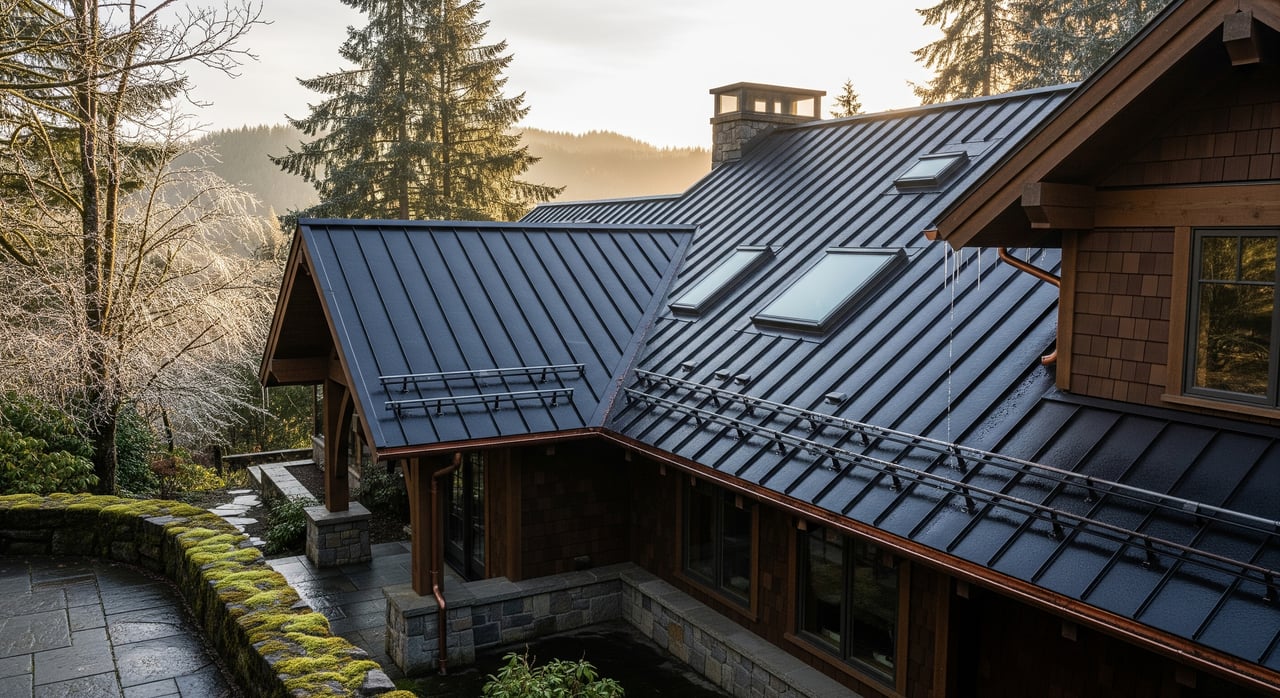
- Shingles and flashing: Look for missing, curled, or loose shingles; lifted or cracked flashing around chimneys, vents, and skylights; and damaged valleys.
- Gutters and downspouts: Check for debris and sagging hangers. Make sure downspouts route water away from the foundation.
- Attic signs: Look for dampness, stains, frost, or ice on roof sheathing. These can point to poor insulation or ventilation.
- Perimeter hazards: Note overhanging branches within striking distance of the roof.
For a deeper overview of best practices, review homeowner maintenance tips from the National Roofing Contractors Association.
Ice dams: why they form and how to reduce risk
Ice dams occur when heat escapes into your attic, melts rooftop snow, and that meltwater refreezes at the cold eaves. Water can back up under shingles and into walls and ceilings. In our area, you reduce risk by cutting heat loss and keeping roof edges clear.
Practical steps:
- Air seal and insulate: Seal attic penetrations where warm air leaks upward, then add insulation to recommended levels. Good ventilation helps keep the roof deck cold and reduces ice-dam formation.
- Keep gutters clean: Clear leaves and debris in late fall and again after major storms.
- Snow management: If we get a heavy snow, use a roof rake from the ground to pull snow off eaves. Do not try to scrape hard glaze ice.
For general winter-readiness guidance across the home, review tips from FEMA and consult regional building and energy advice through the Oregon State University Extension Service.
When to call a roofing pro
- Call a licensed roofer if you see widespread shingle failure, lifted or damaged flashing, sagging rooflines, or interior water stains.
- Avoid roof work during wet or icy weather. A professional inspection is far safer than climbing a slippery roof.
- If you suspect structural issues, schedule an evaluation before the next storm cycle.
Tree care for freezing rain
Trees are part of what makes Springfield beautiful, but glaze ice adds serious weight to branches. Weak attachments, decay, and shallow roots increase failure risks, especially near homes and driveways.
Why limbs fail in ice
Ice accumulation puts stress on both conifers and broadleaf trees. Deciduous trees with large spreading canopies can shed heavy limbs, while species with brittle wood or narrow branch angles may split under load. Past storm damage and decay make problems more likely.
A quick homeowner hazard scan
Walk your property and look for:
- Dead or hanging limbs and large deadwood in the crown.
- Cracks in trunks or major limbs, cavities, or fungal growth indicating decay.
- Trees leaning with soil cracks or heaved roots.
- Multiple trunks with included bark at weak junctions.
- Branches over roofs, driveways, patios, or near utility lines.
If you see any of the above near your home or access areas, get an expert opinion from an ISA credentialed professional. Find guidance and certified arborists via the International Society of Arboriculture, and explore local best practices through the OSU Extension Service.
Pruning timing and approach
- Late winter is a common season for structural pruning on many deciduous trees since the branch structure is easy to see and stress is reduced.
- Do not delay removal of clearly hazardous limbs.
- Avoid aggressive topping or unplanned crown reductions by non-professionals. Improper cuts can create weak regrowth.
Permits and utility lines
Some removals in Springfield or Lane County require permits, especially for protected or street trees. Always check with the City of Springfield or Lane County before major work. If branches are near utility lines, contact your electric utility’s vegetation management program first. Local providers include EWEB and Pacific Power.
Backup power basics for outages
Power lines are vulnerable when ice weighs down trees and equipment. A backup power plan keeps heat on, protects refrigerated food, and supports critical medical devices.
Common options
- Portable generators: Lower cost and flexible. Best for a handful of critical circuits. Use outdoors only and connect through a safe method like a transfer switch.
- Standby generators: Permanently installed with an automatic transfer switch, typically natural gas or propane. Higher cost, but they start automatically and can power more of the home when sized correctly.
- Battery storage systems: Often paired with solar, these can run selected circuits quietly. Capacity depends on battery size and your loads.
Sizing and planning
List your critical circuits: furnace or boiler, refrigerator, select lights, internet, medical devices, and sump pumps if you have them. A portable generator can usually handle a smaller list, while a standby unit can be sized for larger loads. Work with a licensed electrician or generator vendor to size appropriately and install required equipment.
Safety musts
- Carbon monoxide protection: Always run portable generators outdoors, far from windows and vents. Install CO detectors with battery backup. Review safety guidance from the Consumer Product Safety Commission.
- Transfer switches: A manual or automatic transfer switch prevents dangerous backfeeding and is required by many codes. Hire a licensed electrician.
- Permits and fuel: Standby units and fuel lines typically require permits. Check with the City of Springfield or Lane County before installation. Follow manufacturer directions for propane and gasoline storage.
You can also review general winter storm and emergency power guidelines from FEMA.
Maintenance checklist
- Exercise generators regularly according to the manufacturer.
- For portable units, check oil and run briefly seasonally to confirm operation. Use fuel stabilizer if storing gasoline.
- Keep batteries in standby systems charged and schedule routine service.
Prioritize by risk and budget
If you cannot do everything at once, focus on the items that protect people and prevent cascading damage.
Low cost and immediate (about $500 or less)
- Clean gutters and downspouts. Clear debris from valleys and eaves.
- Trim small, reachable dead twigs or branches from the ground only if safe.
- Install or test CO detectors and stock fresh batteries for flashlights and radios.
- Build a basic emergency kit with blankets, water, lanterns, chargers, and first aid.
Moderate cost and preventive (about $500 to $5,000)
- Hire an ISA Certified Arborist for a hazard assessment and targeted pruning.
- Seal attic air leaks and improve insulation to reduce ice-dam risk.
- Install a professionally wired manual transfer switch and buy a portable generator sized for your critical loads.
- Schedule a roofing contractor for an inspection and targeted flashing or gutter repairs.
High cost and resilience upgrades (over $5,000)
- Replace aging roofs or address structural repairs before failures occur.
- Remove high-risk large trees or reroute canopies near structures with professional rigging.
- Install a whole-house standby generator with an automatic transfer switch.
- Consider battery storage with or without solar for quieter backup on key circuits.
A simple local timeline
Late fall (before freezes)
- Clean gutters and check downspouts for clogs.
- Inspect attic insulation and ventilation; seal visible air leaks.
- Service your generator and test CO detectors.
- Walk your trees and schedule an arborist if you see hazards.
Pre-storm (watch or warning issued)
- Move vehicles away from large trees and limbs.
- Secure patio furniture and loose items.
- Top up safe fuel supplies and check extension cords.
- Refresh emergency food and water. If advised by local guidance, manage downspouts to avoid ice buildup at foundations.
During the storm
- Stay indoors and away from windows under large branches.
- Never run a generator in a garage or near openings. Ventilate properly.
- Report downed power lines to your utility and avoid the area.
- Document damage with photos when safe.
Post-storm
- Call professionals for large limb removal or roofing repairs.
- Contact your insurance carrier promptly and keep all receipts.
- Do not handle trees near lines until utilities or arborists declare the area safe.
Professionals, documentation, and insurance
When you hire help, ask for the right credentials and proof of insurance. For tree work, look for ISA Certified Arborists. For generators and transfer switches, hire a licensed electrician and pull permits as required through the city or county. For roofing, choose a licensed Oregon contractor and request a written estimate, scope, and warranty.
Before winter, document the current condition of your property with photos. If you need to file a claim later, those images help show pre-storm condition. Landlords should review lease language on maintenance and emergency access, share outage and contact procedures with tenants, and maintain common systems like gutters and heating.
Ready to take the next step on your property plan this winter? If you want local perspective on repair priorities that support your long-term goals, reach out to our team. We’re here to help you make smart, confident decisions in any season.
Worthland Real Estate — Get your free home value report.
FAQs
How do Springfield ice storms affect roofs?
- Freezing rain can add weight, block gutters, and create ice dams that push water under shingles. Inspect shingles and flashing, keep gutters clear, and improve attic insulation and ventilation.
What tree warning signs should I look for before a storm?
- Watch for dead or hanging limbs, cracks, cavities, leaning with soil cracking, and branches over roofs or parking areas. Call an ISA Certified Arborist if hazards are near structures or access paths.
Can I remove large limbs myself after icing?
- It is unsafe to work at height or under tensioned, ice-laden branches. Hire an experienced arborist, especially near homes or utility lines.
How can I prevent ice dams without replacing my roof?
- Air seal around attic penetrations, add insulation, improve attic ventilation, and keep gutters clean. Use a roof rake for snow at eaves when safe to do so.
Which backup power option fits a typical Springfield home?
- If you need a few critical circuits, a portable generator with a transfer switch can work. For whole-home or automatic coverage, consider a standby generator. Battery storage can support selected circuits quietly.
What permits might I need for tree, roof, or generator work in Springfield?
- Tree removals, structural roof work, and standby generator installations often require permits. Confirm requirements with the City of Springfield or Lane County before starting.
What should landlords do differently for ice-storm prep?
- Schedule proactive inspections, address tree and roof hazards, include outage procedures in leases, and confirm tenants know how to report safety issues. Maintain common systems like gutters and heating.