Wondering whether you should focus on a newer home in Thurston or look for an older property on an established Springfield block? It is a smart question, especially in east Springfield where the differences can affect your daily routine, upkeep, and long-term comfort. If you are comparing layout, location, street feel, and maintenance tradeoffs, this guide will help you sort through what really matters. Let’s dive in.
How to Think About Thurston
Thurston is best understood as part of east Springfield, not a separate city. Historic city materials describe it as a small agricultural community that developed east of Springfield around Thurston Road and present-day 66th Street.
That matters because when you compare “Springfield vs. Thurston,” you are often really comparing different parts of Springfield. In practice, many buyers are weighing newer east-corridor housing pockets against more established blocks tied to Springfield’s older street patterns.
Springfield also has a broad planning framework, including adopted neighborhood refinement-plan areas such as Downtown, East Kelly Butte, East Main, Gateway, Glenwood, Mid-Springfield, and Q Street. That means the feel of a home search can vary a lot depending on the plan area, street layout, and stage of development.
Why Buyers Make This Comparison
Springfield’s 2020 to 2024 owner-occupied housing rate was 55.0%, with a median owner-occupied home value of $358,700. That compares with $395,800 for Lane County and $477,600 for Oregon.
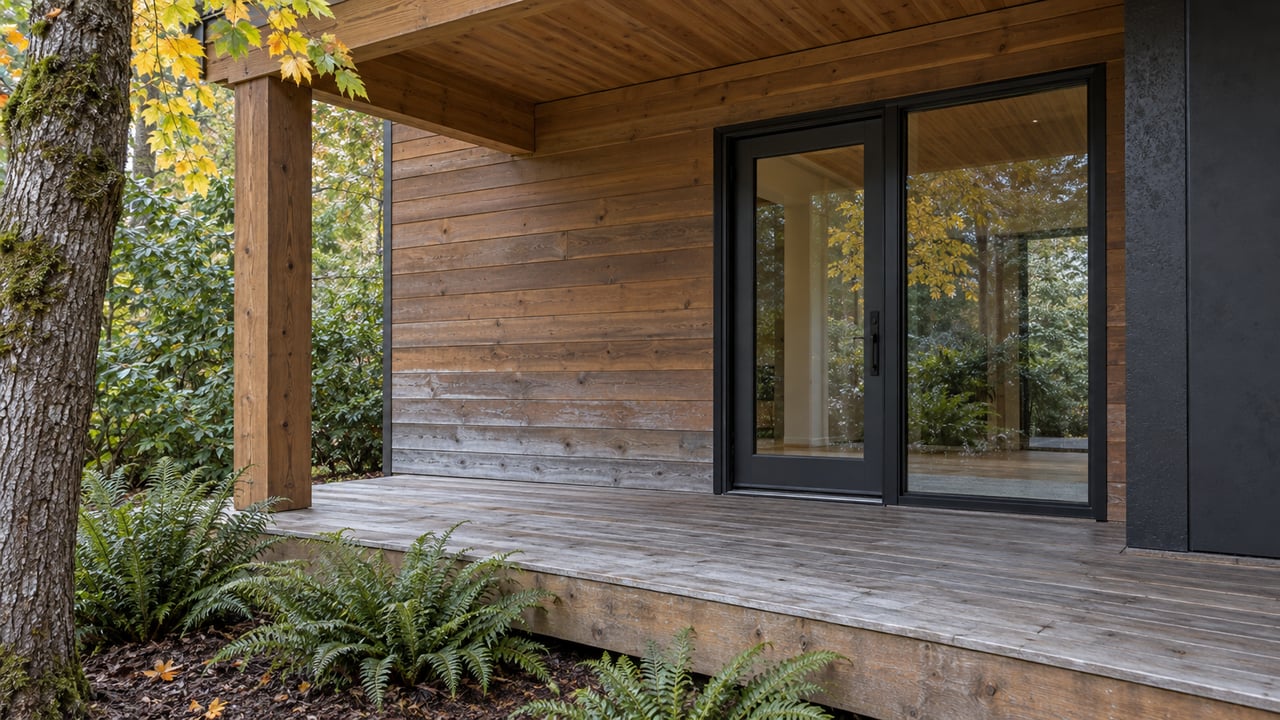
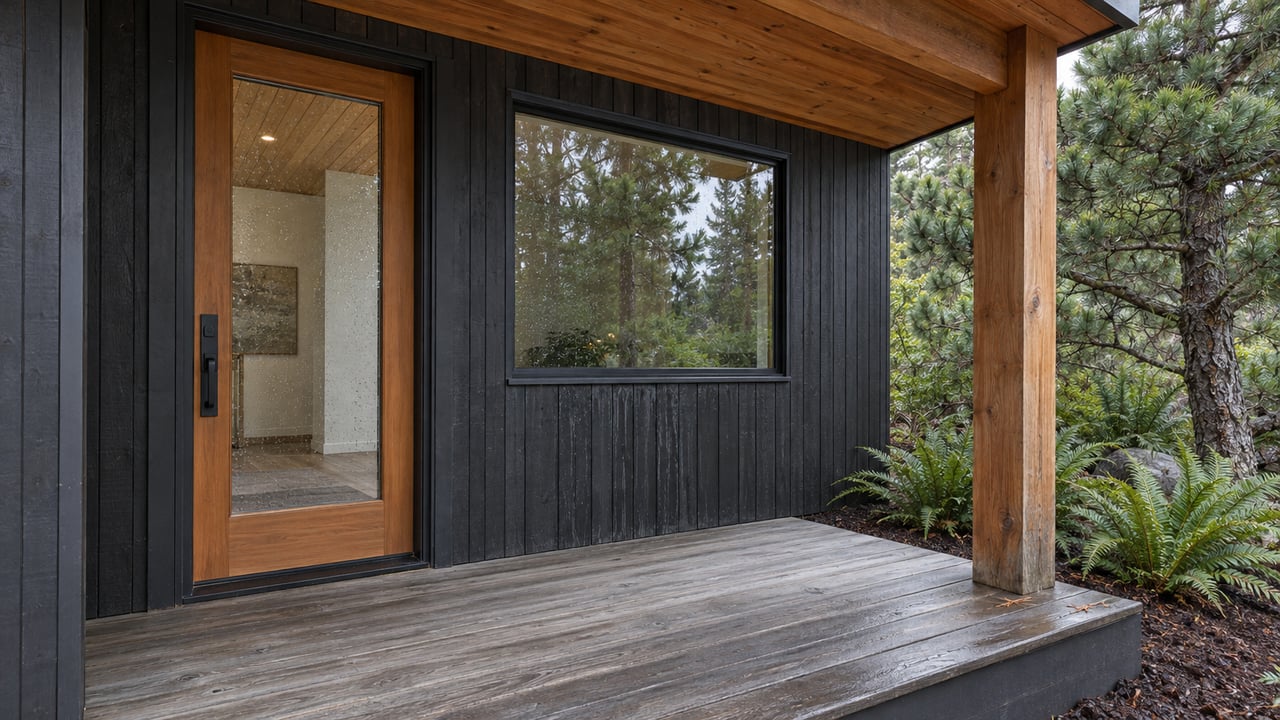
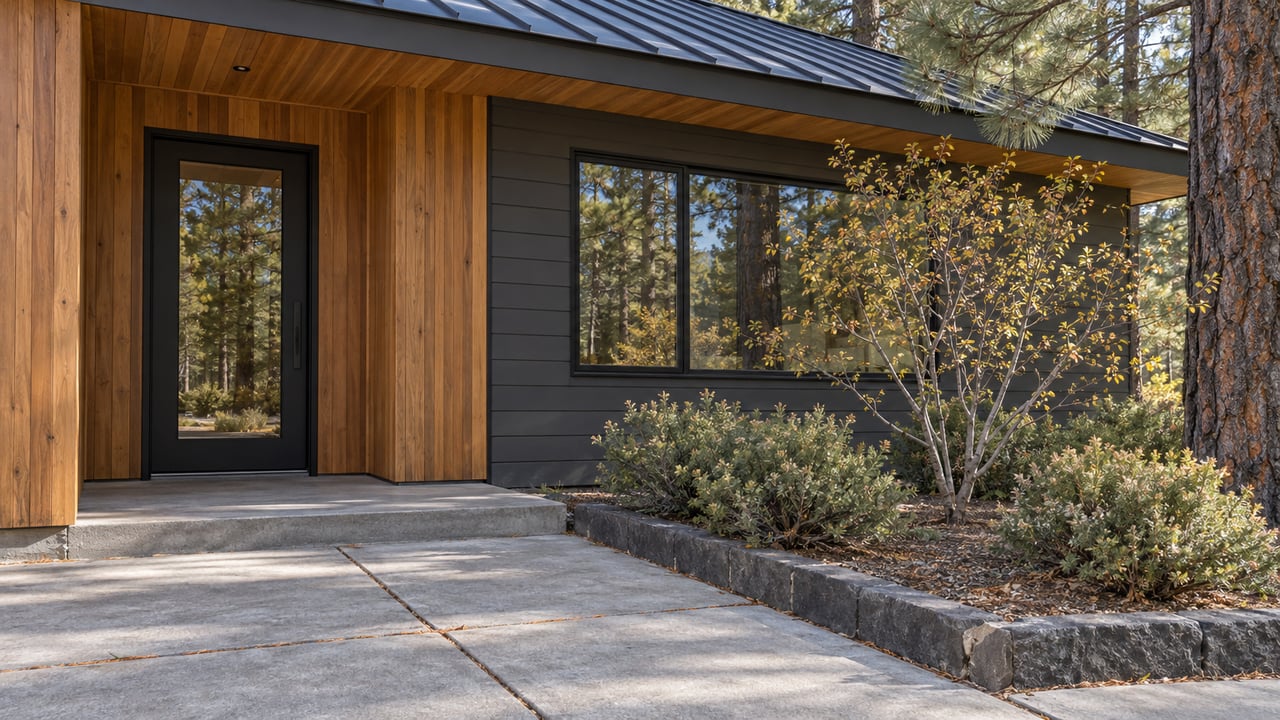
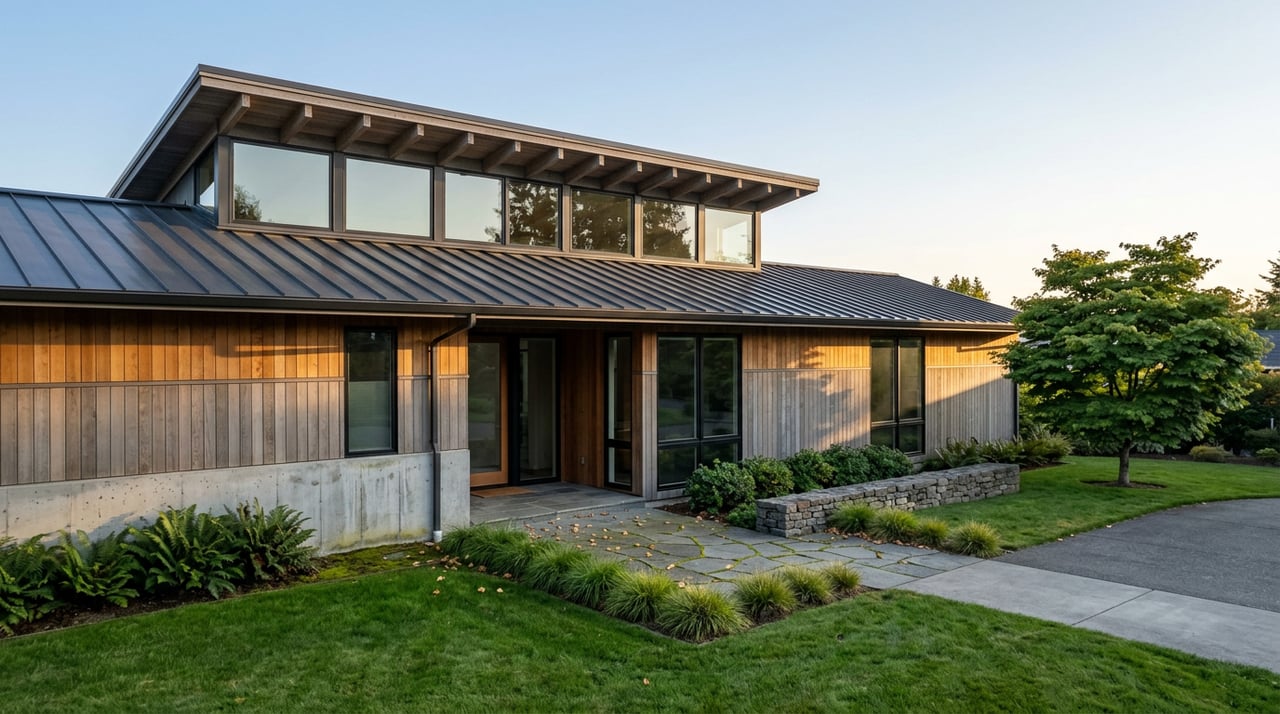
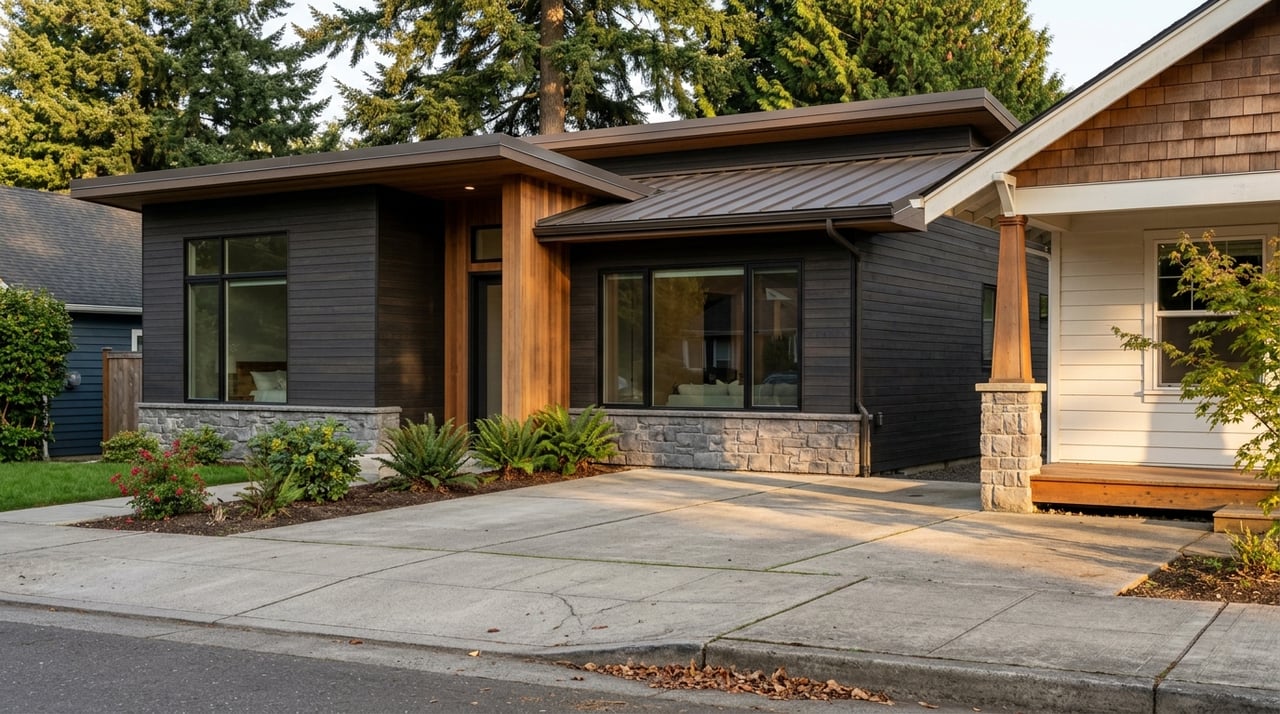
For many buyers, that creates a practical choice. You may find yourself deciding between a newer, more standardized home with lower day-one maintenance needs and an older home with a more varied streetscape, mature trees, or a location that feels more established.
What New Builds Usually Offer
Newer construction in Springfield is most likely to appear in growth areas, urban growth boundary expansion areas, or city-led development sites. The city notes that development in expansion areas relies on inventories related to wetlands, riparian corridors, and wildlife habitat.
Springfield also offers Ready-Build plans for single-unit homes and has housing incentive programs aimed at supporting additional housing. For buyers, that can signal a pipeline of more recent homes in certain pockets rather than a uniform pattern across the whole city.
Newer Neighborhood Feel
Springfield zoning regulates density, lot size, and green space. In some subdivision contexts, development can reach up to 14 lots per net acre, not counting roads and stormwater areas.
That often translates into a more compact neighborhood feel in newer subdivisions. You may see more consistent setbacks, similar home ages, and a more uniform street appearance than you would on older Springfield blocks.
Code and Permitting Advantages
One of the biggest draws of a new build is that the home and site are generally being built to current code and permitting standards. Springfield says its Ready-Build plans are reviewed to the Oregon Residential Specialty Code, though each property still needs site-specific review for permits, wastewater, and geotechnical issues.
For you, that can mean fewer immediate question marks about whether major components were built under current standards. It does not replace due diligence, but it does help explain why many buyers look to newer homes when they want a simpler move-in experience.
Infrastructure Can Still Be Evolving
A newer area may also come with a changing public works picture. Springfield’s infrastructure planning covers transportation, stormwater, wastewater, and public facilities, and the city’s active project list includes east-side work such as a pedestrian crossing at Thurston Road and 69th Street and a wastewater basin rehabilitation project on 70th Street.
That does not make a new-build area better or worse. It simply means you should expect some neighborhoods to be closer to ongoing improvements or still-settling street patterns than older parts of the city.
What Established Blocks Usually Offer
Established Springfield blocks are tied more closely to the city’s older grid and historic building patterns. The Washburne Historic District, for example, was platted between 1872 and 1890 and includes much of the old grid system of blocks, with vernacular housing forms, graveled alleys, and older trees such as Douglas fir and bigleaf maple.
City historic materials also identify Downtown, Main Street, Gateway, South Springfield, Hayden Bridge, and Thurston as historic-resource areas. That gives you an idea of how broad the city’s older development story really is.
More Variety in Streets and Homes
Springfield remained a small town until after World War II, with the retail center on Main Street and residences to the north, then expanded substantially by 1998. As a result, older blocks often show more variation in lot patterns, architectural style, and tree canopy.
If you like a neighborhood that feels less uniform, established blocks may be appealing. You may see more variety from one house to the next and street layouts that reflect earlier phases of the city’s growth.
Maintenance Is a Bigger Question
Older homes and older blocks can come with more maintenance exposure. Springfield’s Street Maintenance Program distinguishes improved and unimproved streets, and unimproved streets often lack sidewalks or curbs and may depend on roadside ditch drainage.
That is an important clue for buyers. When you tour established areas, pay close attention to pavement condition, drainage patterns, sidewalk completeness, and the overall condition of the home’s exterior and site.
Transit and Commute Differences
Transit is one of the clearest practical separators in this comparison. LTD Route 11 runs between Springfield Station and east Springfield by way of Main Street, 58th, Thurston Road, and 69th Street.
That route serves key destinations including Springfield Station, the DMV, city hall, the public library, Thurston Middle School, Thurston High School, Bob Keefer Center, and Lively Park. LTD also shows Route 12 Gateway and EmX connections through Gateway Station for broader regional access.
Thurston Is More Corridor-Oriented
Because Thurston sits in Springfield’s eastern corridor and Route 11 follows Main, Thurston Road, and 69th, commute patterns there tend to be shaped by those main travel corridors. That is different from the feel of older grid-based areas closer to Springfield’s historic core.
If commute flexibility matters to you, compare not just drive times but also how easily you can access transit, main roads, and everyday destinations. A home that looks similar on paper can feel very different once you factor in daily movement.
What to Check Before You Choose
The smartest way to compare a new build with an established block is to go beyond finishes and square footage. In Springfield and Thurston, a few location-specific checks can quickly tell you whether a home fits your priorities.
Floodplain Status
Springfield participates in the National Flood Insurance Program and maintains a Floodplain Overlay District. The city says buyers can look up a property by address or assessor’s map and tax lot to see whether it lies in the floodplain.
This is worth checking whether the home is older or newer. Floodplain status can affect your planning, costs, and comfort with the property.
Zoning and Overlay Districts
Springfield’s zoning rules govern density, lot size, and green space, and overlay districts can affect what happens around a property over time. If you are comparing multiple areas, zoning can help explain why one block feels spacious and another feels more compact.
It can also give you a better sense of possible future changes nearby. That is especially useful when you are considering newer development pockets or transition areas.
Plan Areas and Public Projects
The city’s neighborhood refinement plans and infrastructure maps can add useful context. A home may sit near an adopted plan area or an active public works zone, which can shape traffic flow, pedestrian access, and the feel of the surrounding area.
Springfield also notes that its map products are for reference only and should be field-checked and validated. In other words, online research is a strong starting point, but it should not be your last step.
Which Option Fits Your Priorities?
If you want a more move-in-ready feel, a current-code build, and a neighborhood that may feel more uniform, newer construction in east Springfield or the Thurston corridor may be a strong fit. If you prefer mature trees, older lot patterns, and more architectural variety, established Springfield blocks may feel more like home.
Neither option is automatically better. The right choice depends on how you balance maintenance, commute patterns, neighborhood layout, and your comfort with future change around the property.
A local comparison is where this gets easier. When you walk through the tradeoffs with someone who knows Springfield block by block, it becomes much simpler to narrow your search and move forward with confidence.
If you want help comparing newer homes in Thurston with established Springfield neighborhoods, reach out to Chuck Wetherald, PC for practical, local guidance.
FAQs
What is the difference between Thurston and Springfield for homebuyers?
- Thurston is generally understood as part of east Springfield, so buyers are usually comparing different Springfield neighborhood patterns rather than two separate cities.
What should buyers expect from newer homes in Thurston?
- Newer homes in the Thurston area are often found in growth or development pockets and may offer more compact layouts, more uniform neighborhood design, and construction reviewed under current code standards.
What should buyers watch for on older Springfield blocks?
- Buyers should look closely at street condition, drainage, sidewalk completeness, floodplain status, zoning, and the overall condition of the home and site.
How important is transit when comparing Springfield and Thurston?
- Transit can be a major factor because LTD Route 11 connects east Springfield along Main Street, 58th, Thurston Road, and 69th Street, with access to Springfield Station and connections through Gateway Station.
What city records should buyers review before buying in Springfield or Thurston?
- Buyers should review floodplain information, zoning and overlay districts, neighborhood refinement-plan areas, and any nearby infrastructure or public works projects.