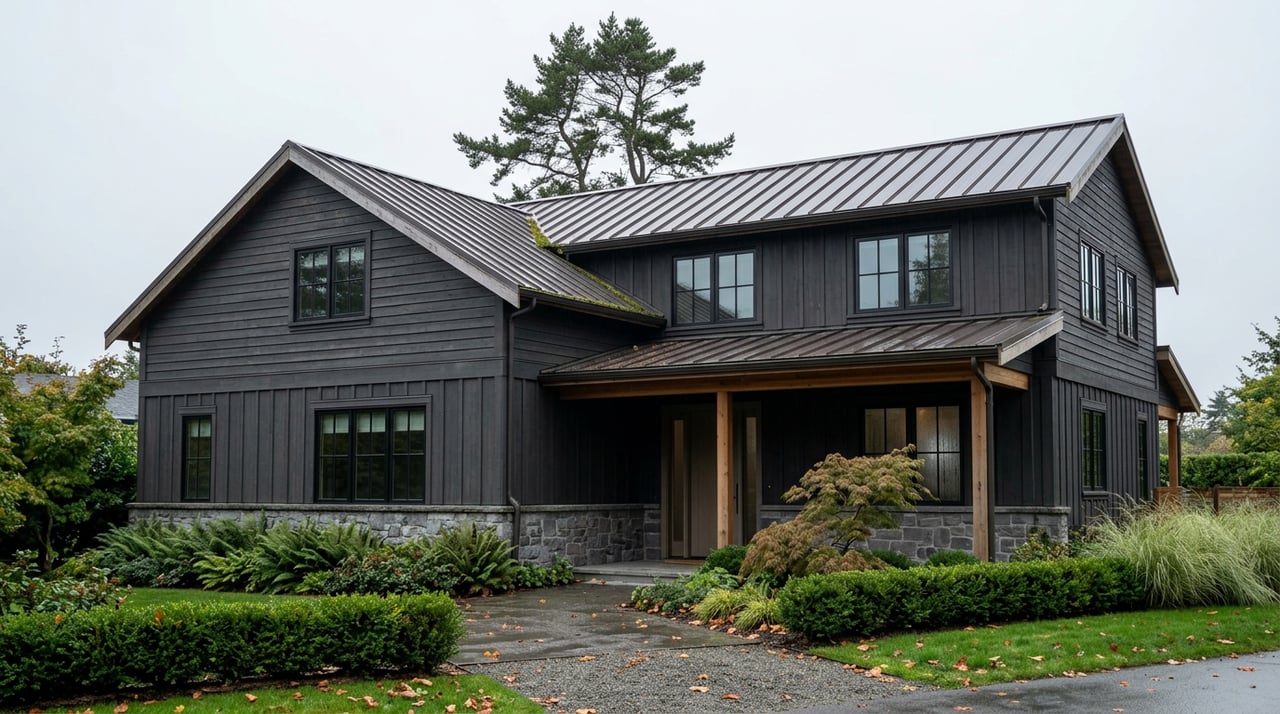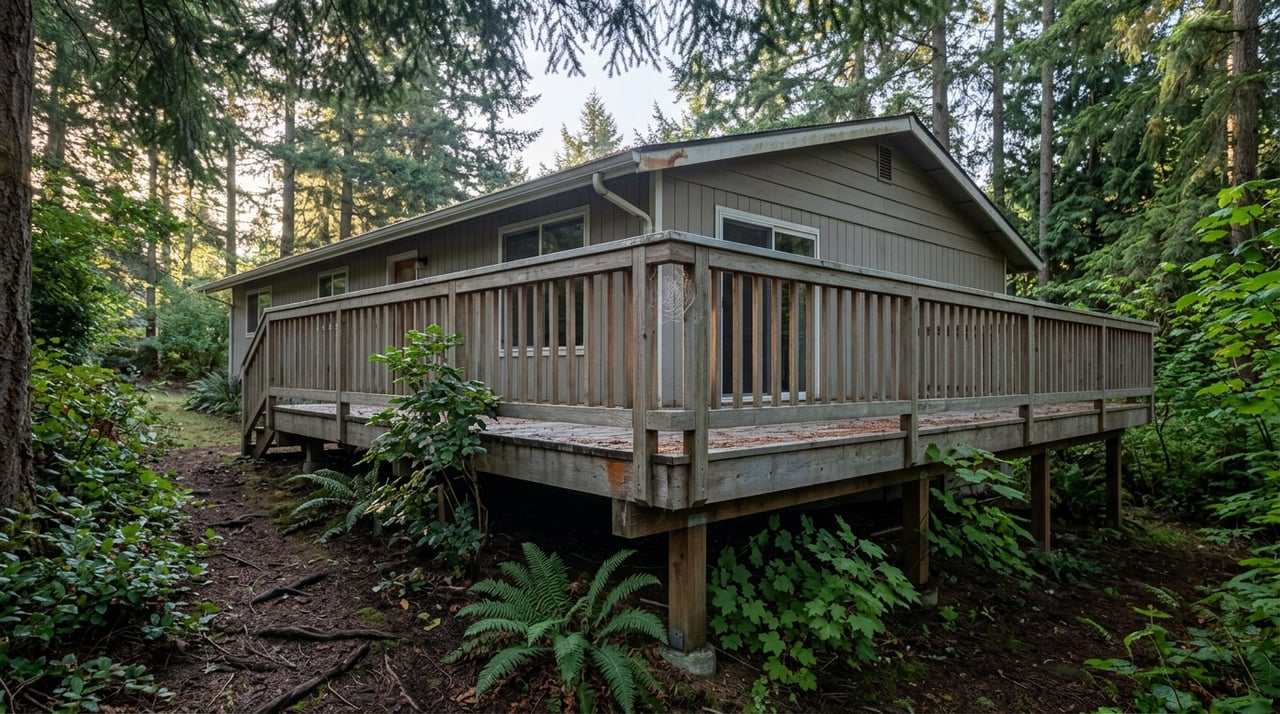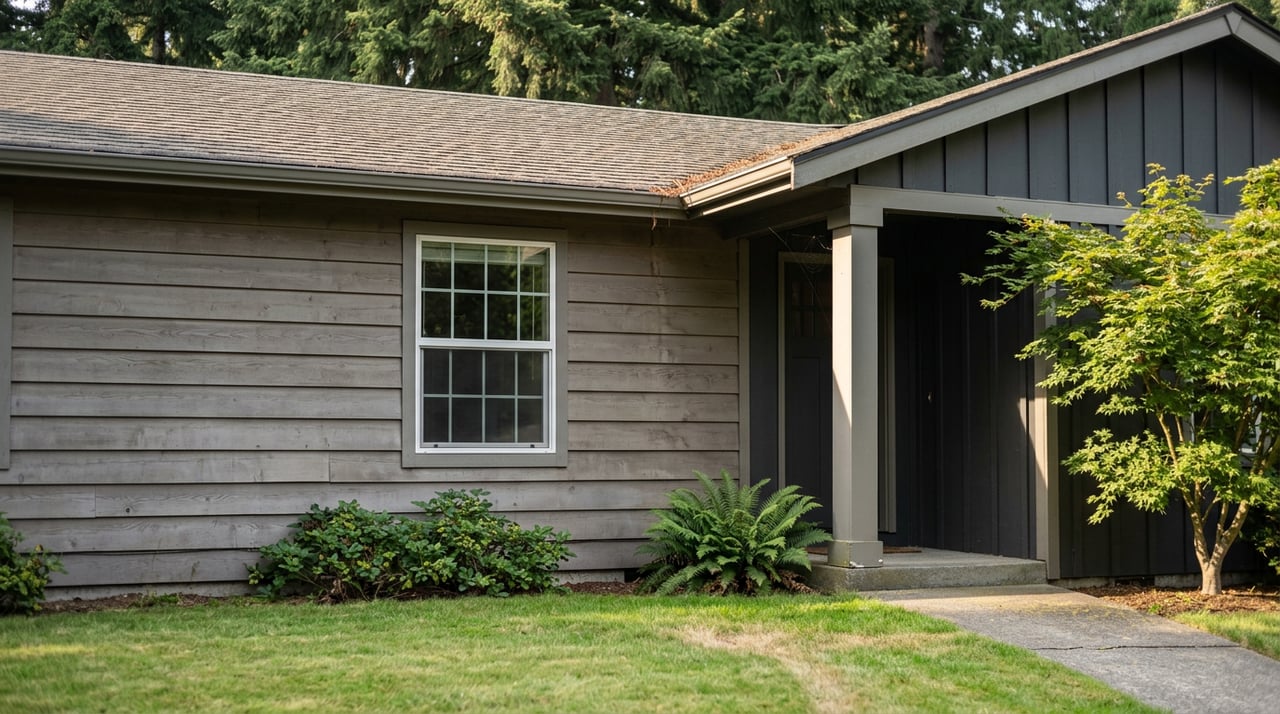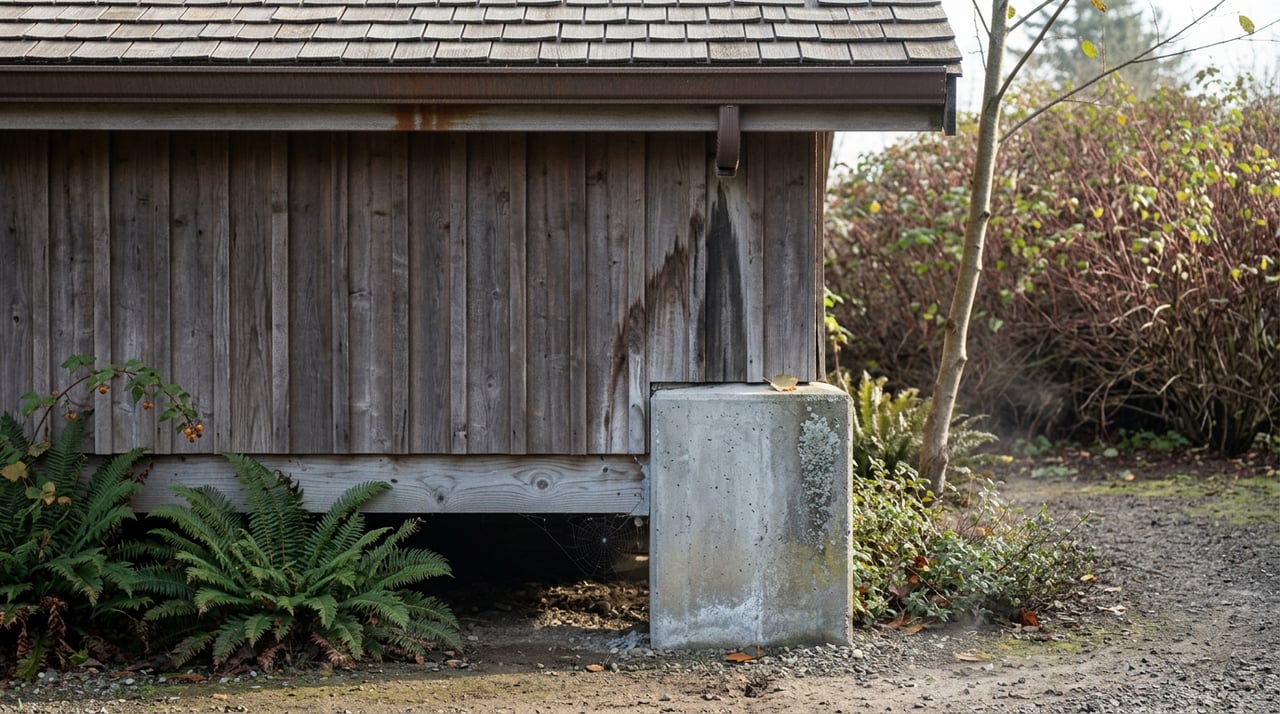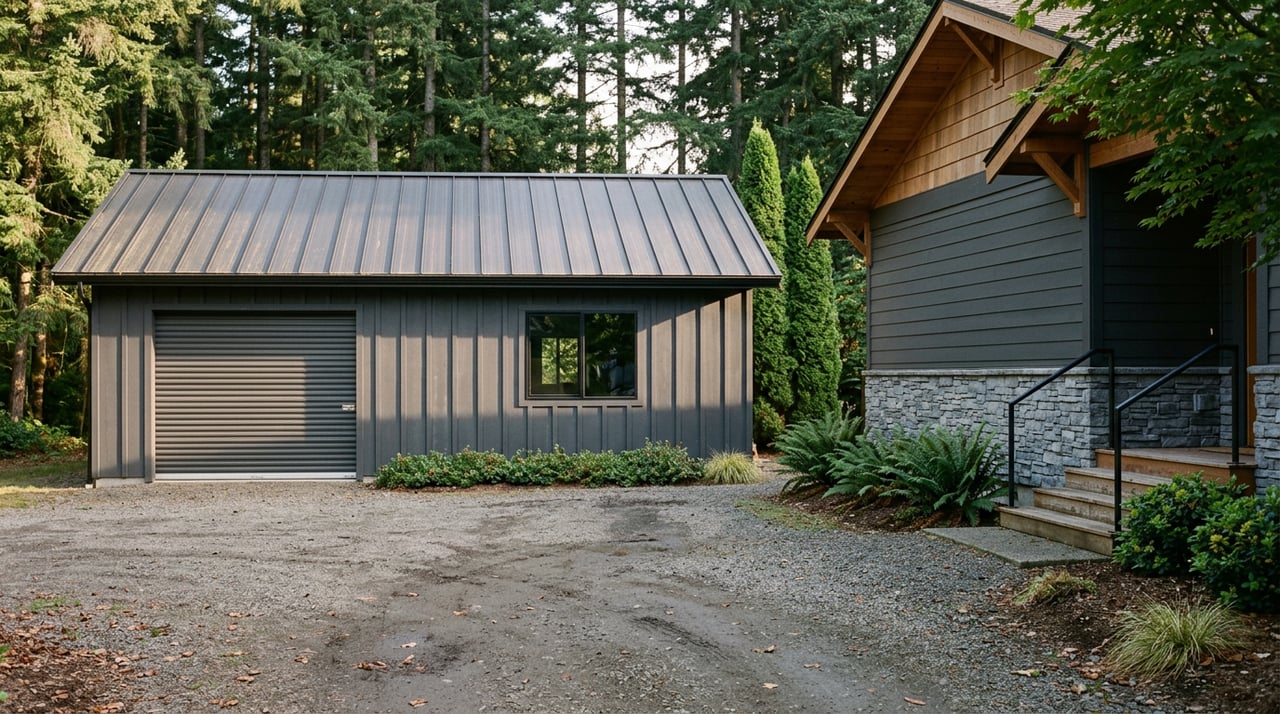
Ever dream of more elbow room, starry skies, and quick access to the McKenzie and Cascade foothills? Buying a rural home east of Springfield can deliver all that, plus the satisfaction of land you can shape to your lifestyle. It also comes with a few extra moving parts you do not see in town. In this guide, you will learn the key checks for access, wells, septic systems, utilities, zoning, wildfire readiness, financing, and more so you can buy with confidence. Let’s dive in.
Start with legal access and roads
Before you picture where the garden goes, confirm how you get to the property year round. Rural parcels may front a county road, a state highway, or a privately maintained lane. If access crosses private land, you will want a recorded easement and a clear maintenance plan so plowing and grading do not turn into neighbor disputes.
Lane County regulates driveways and work within the public road right of way. If a property has a new or modified driveway, ask whether a Right of Way permit was issued and whether a culvert was installed to county specs. This affects drainage, safety, and your ability to improve the approach later.
Checklist for access:
- Ask for recorded access easements and any road maintenance agreements, plus recent invoices or assessments.
- Verify year round vehicle access. Note the distance to the nearest county plowed road or highway.
- Ask Lane County Public Works if there is driveway or culvert permit history for the parcel.
Know your water: private well essentials
Most rural homes outside Springfield use private wells. Under Oregon’s Domestic Well Testing Act, sellers must test the well for arsenic, nitrate, and total coliform bacteria and share results with you and the state. Learn what was tested, when, and by which lab so you can plan next steps.
Start by requesting the seller’s lab results and OHA Real Estate Transaction (RET) form. Then go deeper: pull the well log to learn the well’s depth, construction, and age. Many buyers also order a flow test to confirm sustained yield and an expanded lab panel if geology or nearby uses raise questions.
What to request and verify:
- Get the seller’s OHA RET form and lab results. Review Oregon’s rules on the Domestic Well Testing Act.
- Ask for the Oregon Water Resources Department well log or well ID tag, pump age, pressure tank model, and service records. OWRD offers guidance on wells and testing in its well owner resources.
- Consider a flow test and an expanded water quality panel if conditions suggest more contaminants.
Septic systems: permits, records, inspections
On rural parcels without sewer, a well functioning septic system is non negotiable. Lane County’s On Site Wastewater program keeps permit and as built records and oversees repairs and new installations. You can check the county’s property records portal for historic permits and site evaluations.
A standard septic inspection typically finds and opens the tank, measures scum and sludge levels, inspects baffles, distribution boxes, and pumps, and may include a hydraulic load or dye test. If records are missing, plan for an existing system evaluation by a licensed professional as a purchase contingency.
Action steps for septic:
- Ask for septic permit history, as built drawings, last pumping receipt, and any repair or maintenance agreements for advanced systems.
- Review Lane County’s On Site Wastewater program for permitting context and to locate records.
- Budget for repairs if inspection suggests nearing end of life components.
- Ask county staff about any current assistance programs that help with septic replacement in specific areas.
Zoning and outbuildings: verify before you plan
Rural Lane County has several zoning categories, each with specific rules for homes, shops, farm uses, and forest practices. Whether you want an accessory dwelling, a large barn, or a home business, confirm the parcel’s zoning and the allowed uses before you commit. Some resource zones, like EFU or forest zones, may limit certain development or splits.
Also check building permit history for any existing structures. New outbuildings and additions can trigger septic reviews if they change bedroom count or wastewater flows.
How to check zoning and uses:
- Call Lane County Land Management or review county FAQs on rural zones in the zoning and code modernization page.
- Pull the county property permit history and note any conditions of approval.
- Confirm whether your planned shop or ADU requires permits or septic upgrades.
Utilities, broadband, and cell service
Electric service in rural East Lane is parcel specific. Depending on location, you may be served by municipal utilities like EWEB or Springfield Utility Board, or by rural providers such as Lane Electric, Blachly Lane, Midstate, or Pacific Power. Connection fees and interconnection requirements vary, so it pays to confirm the provider that serves the address and any costs to extend lines.
Internet and cell coverage can vary by road and valley. Fiber or cable may not reach every lane. Satellite and fixed wireless are common solutions where wired options are limited. Always test the cell signal at the home and ask the seller for their current internet plan and typical speeds.
Quick utility checks:
- Use Lane County’s energy profile to identify likely providers and questions to ask your utility. See the Lane County energy and utilities overview.
- Confirm in writing the electric provider, whether a meter and service drop exist, and lead time for upgrades or extensions.
- Test cellular coverage inside and outside the home. Ask the seller for their ISP, plan, and recent speed tests.
Wildfire, emergency services, and insurance
Rural fire protection is provided by a mix of volunteer and small districts, and water supply for firefighting can be limited. Know which district serves the property, typical response constraints, and whether hydrants or water sources are nearby. This information also helps you plan defensible space and emergency readiness.
Insurers consider wildfire risk when pricing or offering coverage. Ask your insurance agent early about the property’s insurability and whether mitigation steps like defensible space or Firewise practices could improve availability or reduce premiums.
Where to check:
- Identify the local fire district using Lane County’s list and maps of fire departments and districts.
- Ask your agent for quotes early and request guidance on wildfire mitigation credits.
Financing and lender requirements
Loan programs treat rural features differently. USDA Rural Development loans may be an option in eligible areas for qualified buyers. Program and parcel eligibility are determined at the address level, so confirm with your lender or explore the USDA program overview.
Most lenders require evidence that the property has safe, potable water and a functioning septic system that meets local health standards. Appraisers and underwriters may call for current water tests, well flow documentation, septic inspections, and proof of legal, all weather access. Requirements vary by program, so get your lender’s checklist in writing at the start.
Financing action plan:
- Ask your lender about USDA options and whether the parcel’s location could qualify. Review the USDA Single Family Housing program overview.
- Clarify what documentation your loan needs for wells, septic systems, and access. Many lenders follow guidance similar to the VA’s underwriting standards around safe water and sanitary sewage.
- Schedule required inspections and tests early so results do not delay closing.
Environmental factors to review
East Lane’s varied terrain includes river corridors, creeks, wetlands, and timbered slopes. Some parcels may have flood hazards, riparian buffers, or wetlands that limit grading, building, or driveway work. If the property includes timberland, separate forest practice rules can apply when constructing roads or harvesting.
What to ask and check:
- Run a flood hazard review and ask your lender if flood insurance may be required based on the home’s location.
- Ask a Lane County planner about mapped wetlands or riparian overlays and prior permits.
- If the parcel is timbered, ask about harvest history and any special assessment that could affect taxes or uses.
Buyer’s priority checklist
Use this compact list to keep your purchase on track:
Confirm access: recorded easements, road maintenance agreement, and any county driveway or culvert permits. Start with Lane County’s Right of Way permits.
Verify water: get the seller’s OHA RET report and lab results for arsenic, nitrate, and coliform. Review Oregon’s Domestic Well Testing Act guidance and pull the OWRD well log. Consider a flow test and expanded water panel using OWRD’s well owner resources.
Septic due diligence: request permit history, as built drawings, last pumping receipt, and any repair or maintenance contracts. Check Lane County’s On Site Wastewater program for records and guidance.
Zoning and uses: verify allowed uses for your plans and review property permit history. See county FAQs on rural zoning and code updates.
Utilities: identify the electric provider and confirm interconnection details. Use the Lane County energy overview to understand local providers.
Fire and insurance: find the serving fire district using Lane County’s fire districts page and discuss wildfire related coverage with your insurer.
Loan readiness: confirm lender requirements for well, septic, and access, and ask about USDA options via the USDA program overview. Use the VA’s underwriting guidance as a sense of common standards.
Your next step with a local guide
A rural purchase rewards thoughtful due diligence. With the right plan, you can protect your investment and enjoy the space and freedom you are after. If you want a clear roadmap, document checklists, and coordinated inspections tailored to East Lane County, connect with Chuck Wetherald, PC for a friendly consult and a local game plan.
FAQs
What should I verify about rural road access near Springfield?
- Confirm a recorded access easement for any private road segments, a written maintenance agreement, and whether a Lane County Right of Way permit was issued for the driveway and culvert.
What well tests are required when buying a Lane County rural home?
- Under Oregon’s Domestic Well Testing Act, sellers must test for arsenic, nitrate, and total coliform bacteria and provide results; review the OHA guidance and consider a flow test and expanded panel.
How do I find septic permits and as-built records in Lane County?
- Check Lane County’s On Site Wastewater program for permit history and site evaluation records, then schedule a licensed septic inspection as a contingency.
Who provides power to rural properties east of Springfield?
- Service varies by address and may be EWEB, Springfield Utility Board, Lane Electric, Blachly Lane, Midstate, or Pacific Power; use the Lane County energy overview and call the provider that serves the parcel.
Will wildfire risk affect my homeowner’s insurance in rural East Lane?
- It can; contact your insurer early to confirm availability and pricing, identify the serving fire district via Lane County’s fire districts page, and ask about mitigation credits.
Are USDA loans an option for homes east of Springfield?
- Some addresses may qualify; confirm parcel eligibility and program fit with your lender and review the USDA Single Family Housing overview.