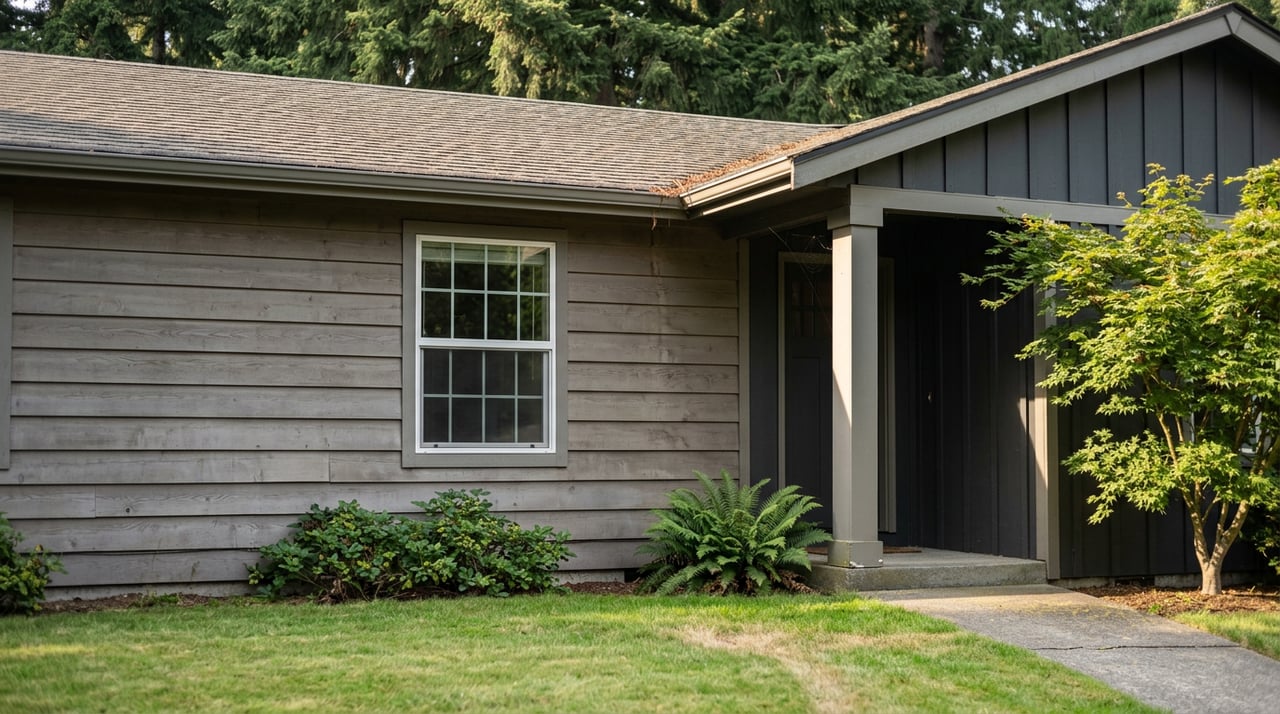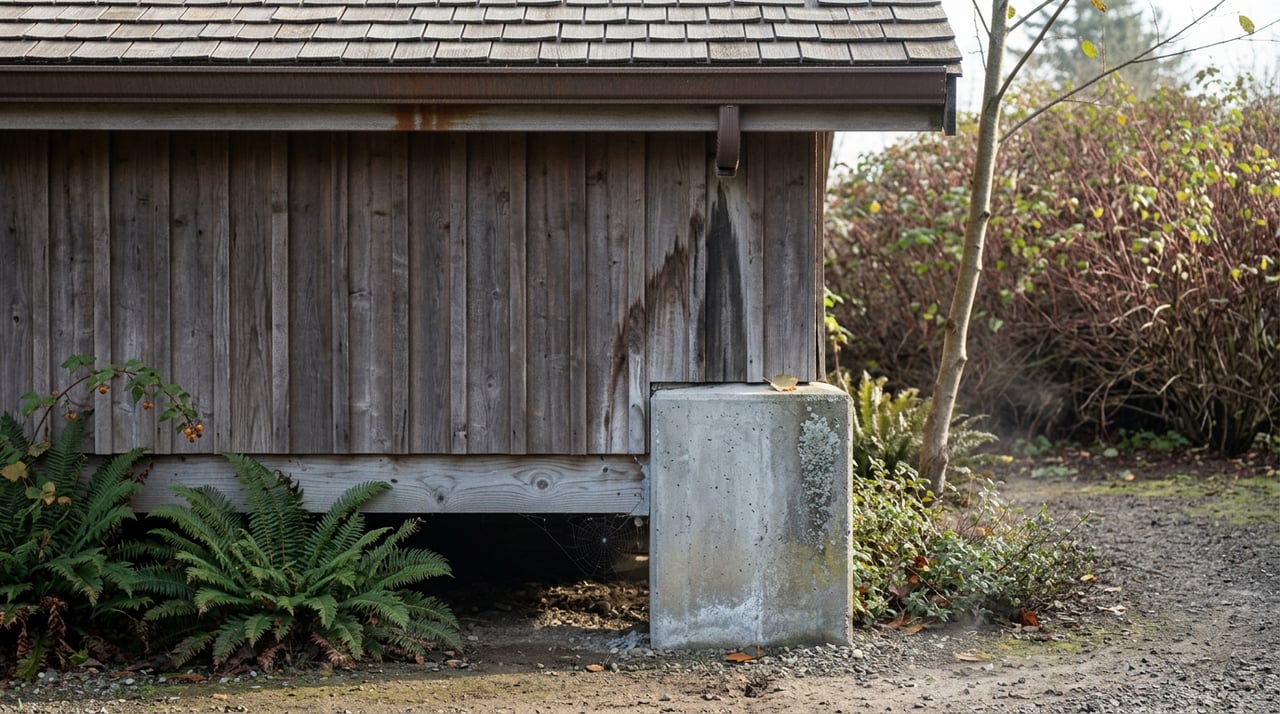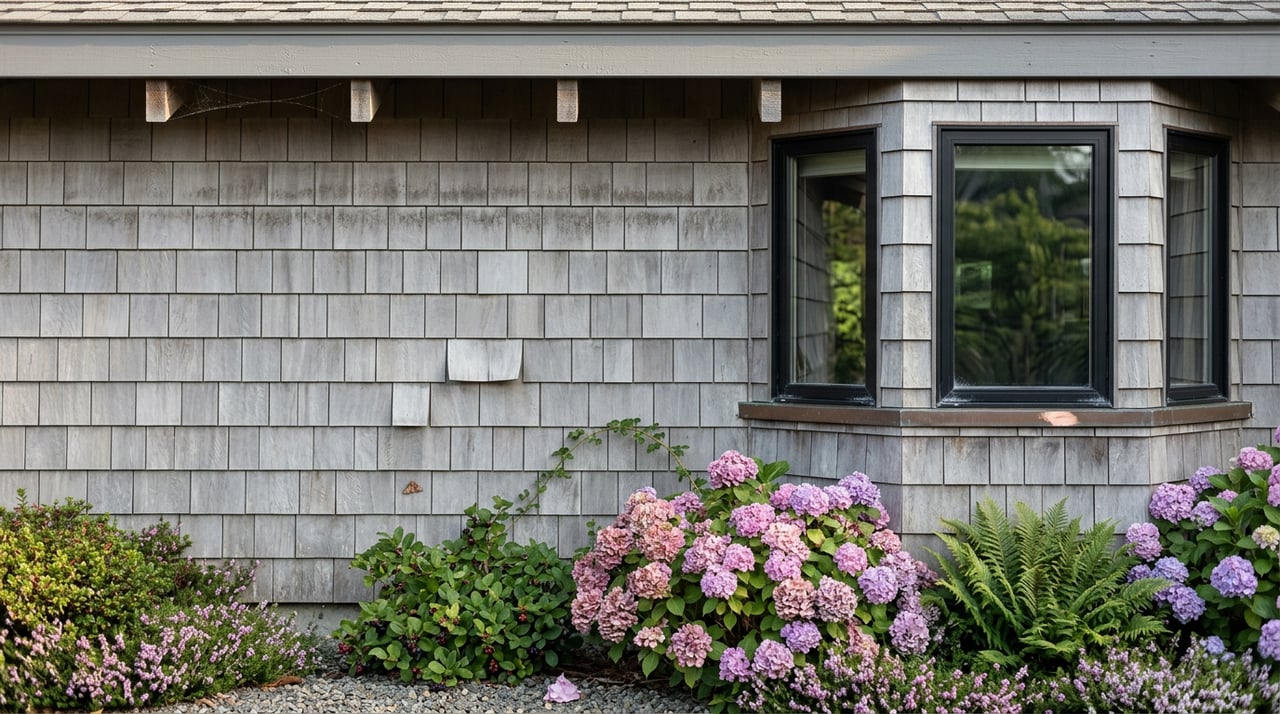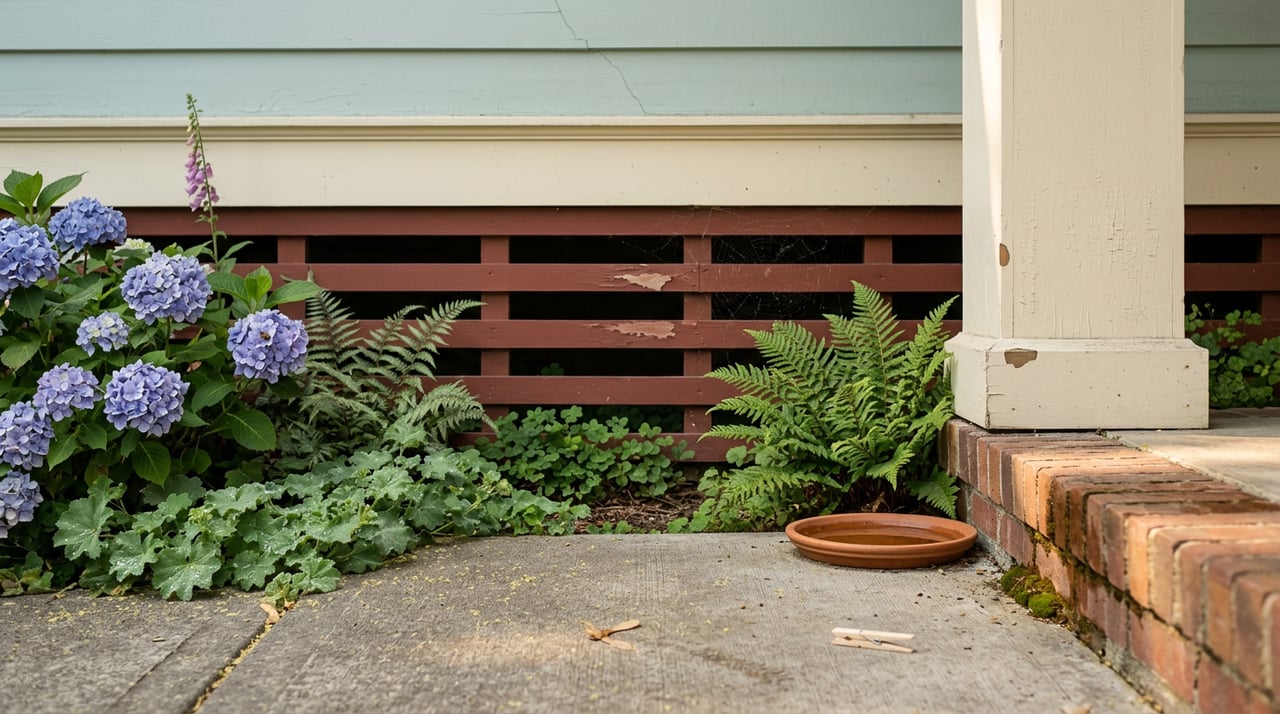
Is the right coastal home for you a condo or a townhouse? On Oregon’s Central Coast, the choice affects your budget, maintenance, financing, insurance, and even your plan for beach access or short-term renting. It is a big decision, and the details matter more here because of coastal rules and natural hazards. In this guide, you will learn how ownership works, what costs to expect, which coastal considerations to check, and how to decide with confidence. Let’s dive in.
Condo vs. townhouse basics
A condominium is ownership of an individual unit interior plus a shared interest in the common elements like roofs, exterior walls, land, and amenities. A townhouse usually describes a multi-floor attached home with a ground-level entrance. On the Central Coast, a “townhouse” can be two different legal forms.
- Fee-simple townhome: you own the home and the land beneath it up to the lot lines. This is more like single-family ownership.
- Condominium-form townhome: the property looks like a townhouse but is legally part of a condo association. You own the unit and share the common elements.
In Lincoln County, the legal form is determined by the recorded plat and declarations, not by the listing label. Always verify with title documents and the recorded condominium declaration or CCRs.
What to verify in the documents
Before you fall in love with a property, confirm the basics:
- Legal description on the deed and plat map to confirm fee simple lot versus condo unit.
- Recorded condominium declaration, bylaws, and CCRs if it is a condo or condo-form townhouse.
- HOA rules, recent meeting minutes, budgets, reserve study, and the master insurance policy.
- Parking and storage allocations, easements, and any architectural review rules for exterior changes.
You can check recorded property details through the Lincoln County Assessor and request HOA documents from the seller or association.
What ownership means for maintenance and control
Ownership form determines who handles and pays for the big stuff. In many condos, the HOA maintains the exterior, roof, landscaping, and common areas, and owners maintain interiors. Townhouses that are fee simple often make the owner responsible for the entire structure and the lot.
These differences affect budget and control. Condos may have higher dues that cover more maintenance. Fee-simple townhouses often have lower dues, but you may carry more responsibility for exterior work. Review CCRs to see what you can change on windows, siding, decks, or fences and what requires HOA approval.
Financing and monthly costs
Lenders underwrite condos and townhouses differently. Condos often require project-level review for some loan programs. If you are using FHA or VA financing, ask early whether the project is eligible and whether a single-unit approval path exists. Fee-simple townhouses are usually treated like single-family homes for underwriting, which can make some loans simpler to approve.
It pays to speak with a local lender early. Ask how the loan program views the specific property and what documents they need from the HOA.
HOA dues, reserves, and assessments
Condo associations typically handle larger line items like exterior maintenance, roofs, and common-area insurance. That is why monthly dues can be higher. Fee-simple townhouse communities may keep dues lower and focus on shared roads, landscaping, or small amenities.
Request and review the HOA budget, latest financials, reserve study, and meeting minutes. Look for upcoming projects and any history of special assessments. Healthy reserves help reduce the chance of surprise costs later.
Insurance in a coastal market
Most condo owners carry an HO-6 policy for the interior, personal property, and liability. The HOA’s master policy typically covers common elements and exterior items as defined in the declaration. Fee-simple townhouse owners often carry an HO-3 policy that insures the entire structure and lot.
Coastal properties may also need separate flood coverage. The National Flood Insurance Program can be a starting point, and many properties in Special Flood Hazard Areas require flood insurance for mortgages. Confirm what the HOA’s master policy covers, then have your insurance agent tailor a policy to fill the gaps.
Coastal factors that matter in Lincoln County
Coastal homes have special considerations, from permits to hazard planning. Oregon’s coastal framework emphasizes public shoreline access and responsible development. This affects how you maintain or modify exteriors and how you plan for long-term risks.
- Flood zones and storm surge: Use the FEMA Flood Map Service Center to find a property’s flood zone and understand insurance implications.
- Tsunami and erosion risks: The Oregon Department of Geology and Mineral Industries publishes tsunami inundation maps and coastal hazard resources. Review evacuation routes and local readiness.
- Coastal permits: Exterior work like decks, retaining walls, or shoreline protection can require city or county permits. Start with Lincoln County Planning and Development to understand local rules.
- Public beach access: Oregon’s Beach Bill protects public use up to the vegetation or high-water mark. Learn how access easements and paths work with your parcel and HOA rules. State guidance is available through the Oregon Coastal Management Program.
Short-term rentals and community rules
Short-term rental rules vary between Lincoln County and coastal cities like Lincoln City, Newport, Yachats, Waldport, and Depoe Bay. HOAs may place stricter limits than the city. If you plan to rent nightly or seasonally, verify licensing requirements, occupancy rules, parking standards, and tax obligations with the local planning department and your HOA before you buy.
Maintenance and inspections in a marine climate
Salt, wind, and moisture accelerate wear on the coast. Thoughtful inspections and maintenance planning will save you money over time, whether you choose a condo or a townhouse.
- Building envelope: Inspect roof coverings, flashing details, siding, window seals, and deck connections for moisture intrusion or corrosion.
- Structure and foundation: For bluff or slope locations, review any geotechnical reports and look for signs of erosion or settlement.
- Ventilation and mechanicals: Confirm proper attic and bath ventilation to manage humidity and mold risk. Check HVAC performance in a cool, damp climate.
- Sewer or septic: Identify service type. Some areas use public sewer while others rely on septic systems that require regular maintenance and inspections.
Order a general home inspection and add specialized inspections based on location and HOA responsibilities. For bluff-top properties, ask your agent about geotechnical input and any recorded permits for shoreline or slope stabilization.
Which is the better fit for you
If you want a low-maintenance home with professional exterior care, a condo may suit you. Review HOA quality and reserves to ensure long-term building health. If you want direct control of the exterior and small yard areas, a fee-simple townhouse can provide that ownership experience without the scale of a detached home.
If you plan to invest or use a property part-time, pay close attention to HOA rental rules and city short-term rental policies. If access to beach paths and in-town services matters most, look for projects with established amenities and parking clarity. There is no one-size answer. Match the ownership form and project type to your lifestyle and budget.
Quick decision checklist
Use this checklist before you write an offer:
- Confirm the legal form of ownership on the deed and plat. Fee simple lot or condo unit.
- Read the HOA declaration, bylaws, and rules. Note responsibility for roofs, siding, decks, and utilities.
- Request the HOA master insurance summary. Understand walls-in versus all-in coverage.
- Review current dues, the latest budget, reserve study, meeting minutes, and any special assessments.
- Ask your lender about loan program requirements and condo project eligibility. FHA or VA buyers should verify project status early.
- Check flood zones at the FEMA Flood Map Service Center. Ask your insurer about required or recommended flood coverage.
- Look up tsunami evacuation information through DOGAMI resources.
- Verify whether the property is on public sewer or a septic system. Ask for recent service records if septic.
- Confirm city and HOA rules for rentals, parking, pets, and use of amenities.
For sellers: prepare for a smooth sale
Buyers compare projects as much as units. You can help your listing stand out by organizing key items before going live.
- Provide the full HOA document package, including budgets, reserve studies, meeting minutes, and master insurance details.
- Disclose known coastal hazards, historical flooding, or erosion. Include permits or engineering records related to mitigation work.
- Clarify parking, storage, and amenity access. If you operated a short-term rental, share proof of licensing and tax compliance.
Well-prepared documentation supports financing, speeds up buyer review periods, and builds trust.
How we help you choose wisely
You deserve a calm, informed path to the right Central Coast property. Our boutique approach means you get hands-on guidance through ownership verification, HOA document review, permit questions, and targeted inspections suited to a marine climate. We coordinate with local lenders and insurance pros so you understand how financing and coverage differ between condos and townhouses.
If you are weighing the trade-offs between a condo and a townhouse in Lincoln County, let’s talk through your goals and the project-level details that matter most. Connect with Chuck Wetherald, PC to start a plan that fits your budget and timeline.
FAQs
What is the legal difference between a condo and a townhouse in Lincoln County
- The legal form is defined by recorded documents, not the label, so verify if you are buying a condo unit or a fee-simple lot on the deed and plat.
Are condos harder to finance than townhouses on the Central Coast
- Some loan programs require condo project approval, while fee-simple townhouses are often underwritten like single-family homes, so check property-specific requirements with your lender.
Do I need flood insurance for a coastal condo or townhouse
- If the property is in a Special Flood Hazard Area, flood insurance is usually required for mortgages and can be confirmed at the FEMA Flood Map Service Center.
How do HOA dues and special assessments affect my budget
- Dues cover what the HOA maintains and reserves fund future repairs, while special assessments add temporary costs for major projects, so review budgets and reserve studies closely.
Can I rent my unit short term in Lincoln County
- Rules vary by city and HOA, so confirm local licensing, occupancy, parking standards, and HOA rental limits before you buy.
What inspections should I order for a coastal property
- Get a general home inspection, add focus on roof and flashing, decks, ventilation, moisture intrusion, and consider geotechnical input for bluff or slope properties.