Wondering whether Florence could be the right place for your next chapter? If you are planning retirement, you are probably thinking about more than just finding a house. You want a home that fits your budget, your routine, and the lifestyle you want for the years ahead. This guide walks you through Florence housing options, day-to-day conveniences, and key planning points so you can make a confident move. Let’s dive in.
Why Florence Appeals to Retirees
Florence stands out as a coastal community with a large retirement-age population. Census estimates show 43.3% of Florence residents are age 65 or older, compared with 21.8% in Lane County. That does not tell you whether Florence is right for you, but it does suggest many people choose the area for later-life living.
Florence may also appeal to buyers who want to right-size without leaving Oregon. The median owner-occupied home value in Florence is $358,300, which is lower than Lane County at $430,600 and Oregon at $477,600. For some homeowners, that creates an opportunity to simplify housing costs while preserving more equity.
Florence Housing Options
If you are starting your home search, it helps to know what the housing mix looks like today. Florence still leans heavily toward detached housing, which shapes what you are most likely to find on the market. Your search may move faster if you stay open to a few different property types.
Detached Homes Lead the Market
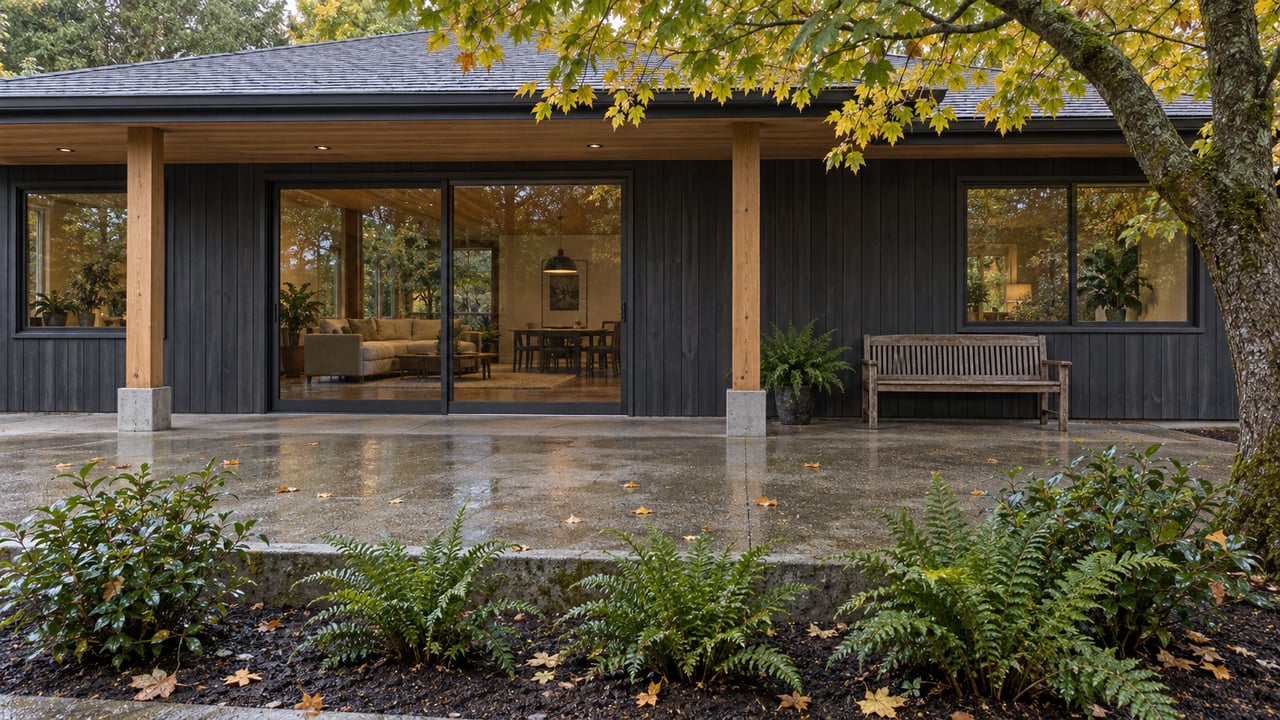
According to Census housing data, 58.2% of Florence housing units are 1-unit detached homes. In practical terms, that means stand-alone houses make up the biggest share of available housing. If you want a yard, extra storage, or room for hobbies and guests, this may work in your favor.
Detached homes can also offer flexibility for long-term living. You may find options with single-level layouts, garage space, or enough lot area to fit your comfort level. At the same time, more exterior upkeep and yard work may come with that extra space.
Lower-Maintenance Options May Be Limited
If your goal is to reduce upkeep, it is worth knowing that attached homes and multifamily options appear to make up a smaller share of Florence housing. Condo-style living and similar low-maintenance choices may be available, but they are likely a smaller part of the market than detached homes. That can make flexibility especially important when you search.
You may need to balance product type, location, and features rather than expect every box to be checked immediately. For example, a smaller detached home or cottage-style property may end up feeling like a better fit than waiting only for a condo-style option. A local search strategy can help you compare what is actually available instead of shopping from assumptions.
New Housing Efforts Could Expand Choices
Florence is actively working to broaden its housing supply. The city has identified older code barriers that had limited townhouses, duplexes, cottages, and multifamily development. It is also working on accessory dwelling units, code updates, and infrastructure improvements intended to support more housing capacity.
One example is DevNW’s cottage-cluster plan at the former senior center site, which could create up to 12 modest one-, two-, and three-bedroom homes. The city is also moving forward with a Northwest 9th Street infrastructure project tied to future housing growth. For near-retirees and downsizers, these efforts matter because they may gradually create more right-sized housing choices over time.
How to Right-Size in Florence
Retirement housing is not just about buying smaller. It is about matching your home to the life you want now and the one you may want years from now. Before you focus only on square footage or price, it helps to think through how you will actually use the property.
Features to Prioritize
A practical right-sizing checklist often includes:
- Single-level access
- Storage for everyday items and seasonal gear
- Guest space for visiting family or friends
- Yard work and exterior maintenance needs
- Accessibility over time
- Whether a condo, cottage, or detached home fits your long-term plans
These questions can save you from buying a home that works on day one but feels harder to manage later. In Florence, where detached homes still dominate, you may need to weigh maintenance carefully against location and layout.
Focus on Monthly Carrying Cost
One of the most helpful retirement planning conversations is about total monthly carrying cost, not just purchase price. That means looking at your full housing picture instead of one number on a listing.
Your budget should account for:
- Mortgage payment or cash purchase impact
- Property taxes
- Insurance
- HOA dues, if applicable
- Maintenance reserves
- Utilities
- Transportation costs
- Potential future care needs
This bigger-picture view helps you compare properties more realistically. A lower-priced home with higher upkeep may not feel simpler in daily life, while a home with a higher price but easier maintenance could better support your goals.
Oregon Property Tax Deferral Basics
Some Oregon seniors may qualify for the state property tax deferral program. This is not a tax exemption. It is a loan-backed deferral program in which the state pays county property taxes, places a lien on the home, and charges 6% annual interest on the deferred amount.
For 2026, the income limit is $70,000 and the real market value minimum cap is $301,000. Participants must also recertify every two years. If this program is part of your planning, it is important to understand how it affects long-term equity and estate planning before you rely on it.
Everyday Life in Florence
Retirement planning is also lifestyle planning. You are not just choosing a floor plan. You are choosing how easy it feels to run errands, get care, enjoy hobbies, and stay connected to your community.
Healthcare Access Close to Home
PeaceHealth Peace Harbor Medical Center is Florence’s main healthcare anchor. The Oregon Health Authority lists it as a 21-bed critical access hospital. PeaceHealth also notes 24-hour hospital access along with local services that include family medicine, priority care, cardiology, dermatology, ENT, imaging, and home health.
For many retirees, nearby care is a major part of peace of mind. Priority Care is presented as same-day care for non-emergency needs, which can be helpful when you need quick attention without a longer regional trip.
Errands, Events, and Community Amenities
Florence offers a number of day-to-day amenities that can support an easy routine. The city highlights the library, Florence Events Center, and Florence Senior and Activity Center as core parts of community life. The library offers more than 165,000 items plus Wi-Fi, while the senior center is centered on nutrition, health, recreation, and social services.
Old Town is described by the city as a walkable riverfront district with local shops, restaurants, and community spaces. If being able to enjoy a casual outing without big-city traffic matters to you, that setting may be part of Florence’s appeal.
Local and Regional Transportation
Transportation matters, especially if you are planning for long-term ease. Florence has Rhody Express for local errands and appointments. The city also lists a Florence-Eugene Connector for regional trips.
That combination can be useful if you want options beyond driving every time. Even if you plan to keep driving, access to local and regional transit can add flexibility to your routine over time.
Outdoor Lifestyle and Recreation
Florence offers a strong outdoor lifestyle for a small coastal city. The city manages more than 200 acres of parkland across 24 sites and has five bike-friendly routes. That gives you plenty of ways to stay active close to home.
The nearby Oregon Dunes National Recreation Area adds another layer to daily life in Florence. The USDA Forest Service says the dunes stretch 40 miles from Florence to Coos Bay and support hiking, paddling, birding, camping, beach access, sand play, and OHV riding. If retirement for you means fresh air, scenic surroundings, and room to move, Florence delivers a lot for a community its size.
Planning Your Move With Local Insight
Retiring in Florence is not about chasing a single ideal home type. It is about finding the right mix of cost, comfort, convenience, and lifestyle. Because the market still skews toward detached homes while the city works to expand housing variety, a smart plan often starts with clear priorities and flexible expectations.
That is where local guidance can make the process much easier. If you want help comparing Florence housing options, understanding tradeoffs, and building a retirement move around your real goals, Chuck Wetherald, PC can help you plan your next step with practical, local insight.
FAQs
What types of retirement-friendly homes are common in Florence, Oregon?
- Detached homes are the most common housing type in Florence, with 58.2% of housing units classified as 1-unit detached homes. Attached and multifamily options exist but make up a smaller share of the market.
How affordable is Florence, Oregon, for retirees compared with Lane County?
- Census data shows Florence has a median owner-occupied home value of $358,300, which is lower than Lane County at $430,600 and Oregon at $477,600.
What healthcare services are available in Florence, Oregon?
- Florence’s main healthcare hub is PeaceHealth Peace Harbor Medical Center, a critical access hospital with 24-hour hospital access and services including family medicine, priority care, cardiology, dermatology, ENT, imaging, and home health.
What should retirees consider when right-sizing in Florence?
- Key factors include single-level access, storage, guest space, yard work, accessibility, long-term maintenance needs, and the total monthly carrying cost of the home.
Does Florence, Oregon, offer amenities for an active retirement lifestyle?
- Yes. Florence has more than 200 acres of parkland across 24 sites, five bike-friendly routes, a walkable Old Town district, community facilities, and access to the Oregon Dunes National Recreation Area for outdoor recreation.